81 - Northern Cyprus: Beyond Appearances
2024 No 81
O, how Esau will be ransacked and his hidden treasures searched out! All the men allied with you will send you forth to the border, and the men at peace with you will deceive you and overpower you. They who eat your bread will set an ambush for you.
--Obadiah 1:6-7
There are few reasons for anyone to move to Cyprus, particularly an African.
Don't misunderstand; Cyprus is a beautiful island, rich in culture, history, and traditions. We were there recently, and we loved it. I suppose it could be a great place for those with a lot of money. Such has been true for the "rich" refugees who have settled there. Syrians with resources, displaced due to war, have found a home there. Wealthy Russians, pushed out by harsh governmental policies and oppression, have also carved out a place. Then there are the "not-so-rich-but-have-enough-to-survive" folks. University students whose families can help support them fall into this category.
But why would anyone else leave home and choose Cyprus as a destination? The economy is a wreck in the Turkish North. Honest work for non-Cypriots is difficult to find. Inflation is terrible, making things more expensive as the days go by. Cultural racism is expressed against Africans, so communal life can be tough. And… unlike much of the region… you are stuck once you land there. For those who believe it is a pathway to Europe, there is no forward movement. For many who land there, it is under deceptive terms.
Do you remember the story of Jacob and Esau in Genesis 27? Esau was deceived by his brother in order to claim his birthright. Esau's future descendants would become the people of Edom. Centuries later, when Babylon came to conquer Israel and carry them off to captivity, it was Edom who betrayed her (Psalm 137). The passage above serves as a potent reminder that even those you thought you could trust will sell you for their personal gain. Such happens daily to young Africans as their brothers sell them a ticket to Cyprus.
I want to tell you the story of Jacob and Miriam, a young couple from Nigeria. As in all these stories in our blog series, the elements come from real migrant testimonies. The actors in our story may be fictional, but they represent a host of young men and women who are very real. Let's imagine we are having a cup of coffee together, and they are responding to my questions. (Actually, we were! I just had to change their names and adjust their stories a bit.)
Good Morning. I appreciate your willingness to share your stories. Let's begin with your life in Nigeria and why you decided to come to Northern Cyprus.
Jacob: My family in Nigeria is not poor like some of our relatives in the villages. We were not rich either. I guess we were pretty middle-class. My parents worked hard to give us a home and a good education. I remember when they were able to afford to buy a car. That was a major accomplishment for my father. He could then drive to work rather than take the bus.
In the last few years, however, things have become much more difficult. Inflation is very high. I read that it hit 35% this year, and food costs have gone through the roof. Unemployment is also high for young people. We knew that to have a chance of getting a good job, I would need a university degree that would stand out from everyone else. We started looking at options. I wanted to go to the US or England, but Cyprus was the only one within our budget.
Miriam: My situation was a little bit different from Jacobs's. I didn't come to Cyprus for school; instead, I came for work. I had already completed my university studies and had a degree in hotel management. There was not much work in Nigeria, but Cyprus's tourism industry is strong. I saw an opening in an ad on Facebook and went to the website. From there, I applied for a position at one of the hotels and was accepted.
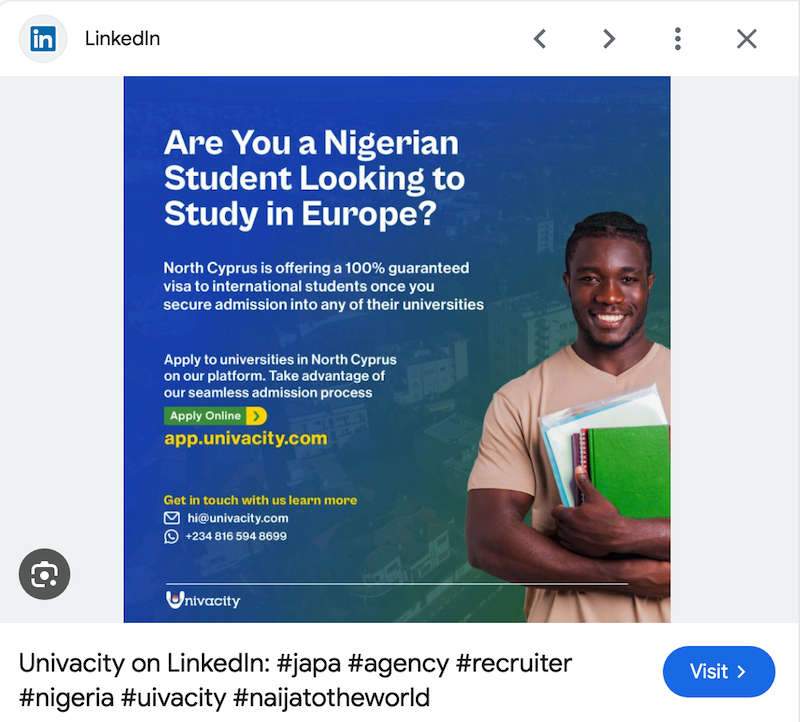
How did they recruit for your positions? Was the process honest, or do you feel someone took advantage of you?
Jacob: In my case, the picture was quite rosey. I worked through a recruiter who was referred by someone in our church. I don’t know why, but somehow, my family thought that made him more honest. We found out later that he wasn’t even a Christian. For him, it was just a way to make money. The university paid him nearly one million Nigerian Naira ($600) for every student he successfully recruited. He then charged a separate fee to the students and their families. In the end, he could make over $1,000 per student. Needless to say, there was little incentive to tell us anything negative about Cyprus.
In fairness, he connected me to the school and helped me apply for a program in internet engineering. He also helped me secure my student visa. He even met me at the airport and introduced me to other students from Nigeria. I know now that I should have asked more questions, but I didn't know enough at the time to even know where to start. I should have talked to other students before I came.
Miriam: Wow! Your recruiter sounds wonderful compared to mine. I think mine worked for the mafia! When I responded to the Facebook ad, I was quickly contacted by a lady who said she was in Cyprus. She told me the position was in mid-management and that my background would allow me to be promoted quickly. She sent me a proposed contract, and everything looked great. The pay was more than I could have possibly imagined, and they even offered a sign-up bonus to cover my travel expenses and the cost of setting up an apartment. It even had a clause that allowed me to re-negotiate my position and pay to make promotions easier. It was too good to be true… literally.
When I arrived, I found out it was all a lie.
What happened?
Well… they renegotiated my contract… on the very first day! My new "management" position was to clean the hotel rooms. My pay was reduced by 60%, and I lost the bonus. They then told me I owed them over 100,000 Turkish Lira ($3,000) for my travel expenses, visas, and recruitment fees. I had given them my passport to get the visa stamp, and they would not return it until I had repaid what they said I owed. I soon learned that fraud is rampant on this island and that people have somehow lost their conscience when it comes to deceiving people.
I was not the only one in this situation. I discovered that many girls had been tricked and now had to repay their "debts." The challenge was that it took everything we had to find a place to sleep and buy food. It was very hard to save money and pay back so much money. It was a trap, and we felt foolish for having become victims. Even if you had the ability to pay them the money, your visa was tied to the job, and others held your passport. For many, there was no escape. So we would help each other, share the cost of rent, and eat meals together. At least that way, we could survive.
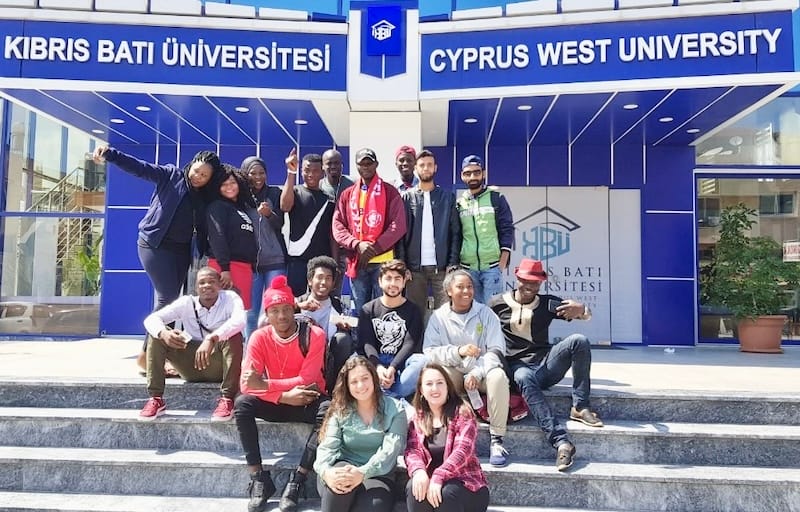
Jacob, tell me more of your story.
I landed in Lefkosa just in time for school. Classes would begin the next week, so I had little time to settle in. I had already found an apartment to share with three other students. I started the semester with high hopes but soon learned the reality of the situation.
First, the school was not as good as I had been told. The advertisements said it was a "premier" school in their IT department. But in reality, it was pretty weak. Former students taught the introduction classes, and they needed more real-world experience. The classes were full of students, but it was obvious that many were not serious about their studies. I discovered that many students came to Cyprus because their parents were wealthy, and they wanted to go to school in a "party" town. The good news was that many of "those" kids did not even attend class. At least that way, those who wanted an education could study with others who had the same desire.
Second, the costs were more than we had expected. Everything had extra fees, and the prices went up every semester. By the end of my first year, the cost of attending the university had gone up dramatically. Inflation in Turkey was worse than in Nigeria. In my first year, it was 75%… and it went up another 50% in my second year. In just two years, my expenses nearly doubled! That was more than my parents could afford. There was one semester when I could not pay the tuition and fees. Had God not intervened, I would have been out of school.
You mentioned that Cyprus was a "party" town. What does that mean?
Miriam: Northern Cyprus has a dark side. It is a place where people from other countries come to party, gamble, and find prostitutes. Because it brings in so much money, the government looks the other way. They say that they are fighting it, but everyone knows that the officials are corrupt. A lot of girls get pulled into the casinos and then start selling themselves to make extra money. It is really pretty sad.
Jacob: If I were dishonest and had no conscience, I could make a lot of money here in Cyprus. Nigerians get a bad name because so many are in the business of committing fraud over the internet. Some scams target foreigners through email and convince people to send money. They are not the "you won the lottery" or "help me with my inheritance" kinds of scams. They are very sophisticated and generate a lot of money. Because Cyprus is insulated from international control, many criminal networks are based here. Anyone with a laptop and some computer knowledge can earn a lot of money for their handlers. Yahoo was a popular website in Nigeria, so those who do this kind of work are called Yahoo Boys.

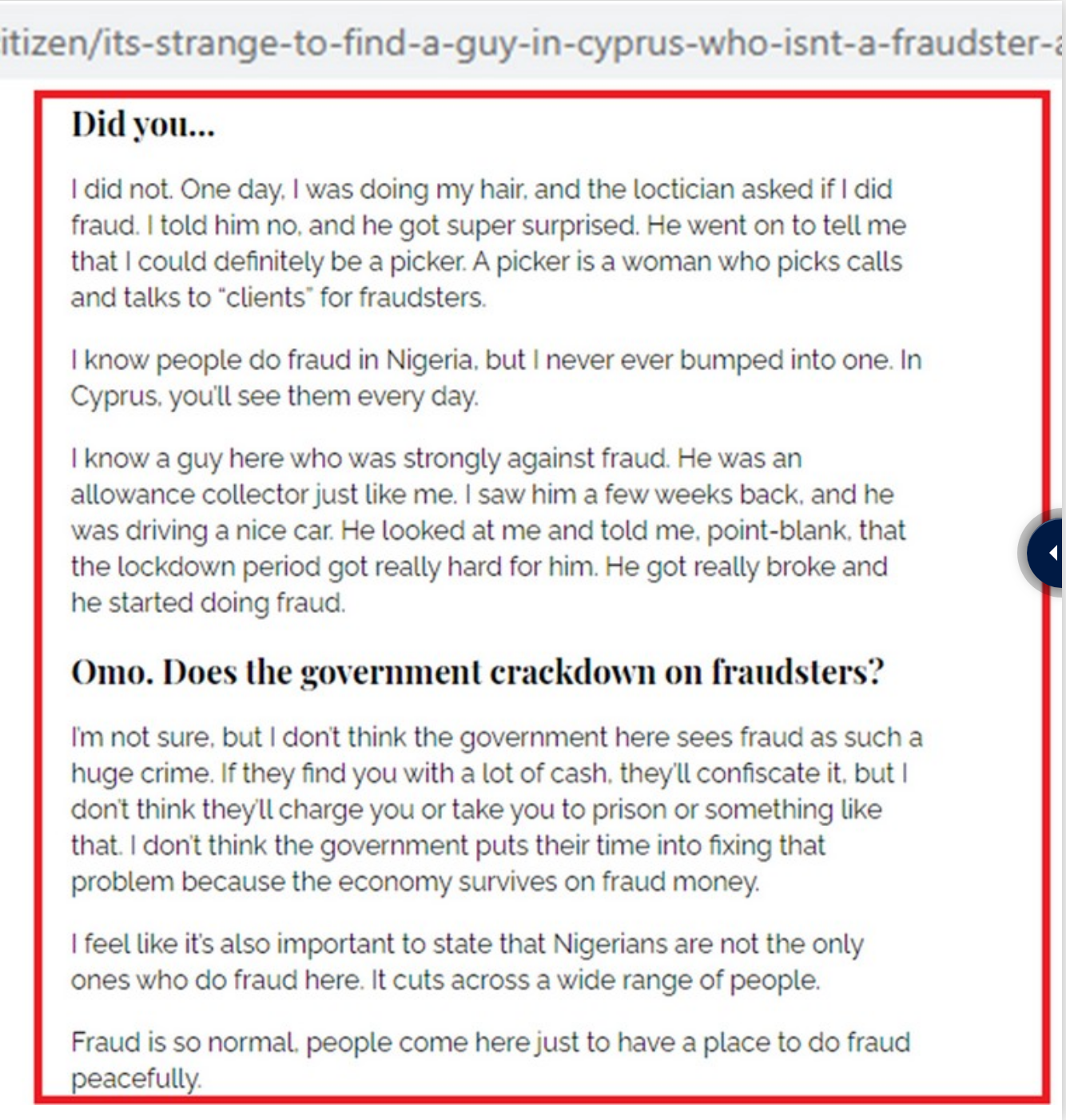
Internet conversations on fraud in Cyprus
Miriam: Jacob is right... the dark side of Cyprus has a lot of money, a lot of drugs, and a lot of sex. Some people come to the island because that is what they want, and others get pulled into it because of their situation. It can be a strong temptation, but with God's help, you don't have to make that choice.
How have each of you survived your decision to come to Cyprus?
Miriam: My salvation came from the Lord. My circle of friends were all Christians. We attended church, prayed for each other, and took care of ourselves. Our pastor and his wife knew how difficult things were for us and were encouraging. With God's help, we were able to escape our situation.
How did that happen?
God gave us a plan. The first thing that we did was to contact the Nigerian embassy and tell them that we had lost our passports and needed to get replacements. We didn’t tell anyone what we were doing so no one would interfere with the process. It took about six months, but everyone got a new passport.
We then saved our money, called our families, and even got help from the church to pay off our "debts". But we didn't just pay… we had a plan. The pastor had told us about a place that wanted to hire people but had grown tired of paying the recruiters their fees. They were willing to hire us, but we needed time to make sure everything happened in the correct order and at the right time. So we had our passports, the money to pay off our debts, and a new job lined up. All that was left was to get our visas. People don't always understand that your visa is connected to your employment… so if you quit your job… then you don't have a visa and are illegal.
Our new employer was willing to sign the paperwork saying that we had been offered the jobs. With that, we took our new passports, paid the fees, and applied for a visa. We prayed that no one in the government would call our old employer. But God was good! When we had our new visas, we went to our old employer… paid off our balance… and quit. All on the same day! Suddenly, we were free. We were still poor, but we were free.
Jacob: I love to hear Miriam tell her story! You can tell that her faith in God is strong. My story is not as dramatic, but it is still by God's grace that I am here. In my case, I found a job with a businessman in our church. He understood the challenges we face as students and was willing to use me to help manage his internet site. The pay could be better, but it is enough to keep me in school. And, it gives me experience that will make me better in the future. This is my last year of school, so I need to have a place of internship. This job covers that requirement.
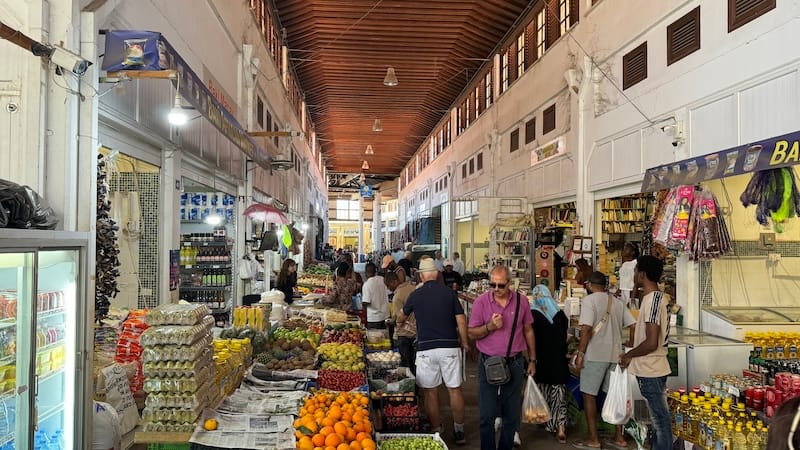
What happens to those who do not find a solution?
Miriam: As I said before, some girls get pulled into the dark side of things. There is a lot of prostitution here on the island, and working in the casinos often takes people places where they do not want to go. Some can return to Nigeria, but it is hard when others hold their passports.
Jacob: It is also hard because of the shame of failure. Everyone who comes to Cyprus expects to be successful. Their families expect them to be successful. Life is hard in Nigeria, and many people have sacrificed for a student to be here. To go home without a degree is challenging not only for the student but also for their parents.
Do you know anyone who has tried to cross into Southern Cyprus with the hope of migrating to Europe?
Miriam: Absolutely! You can get across the border for 10,000 Turkish Lira ($300). Many of the girls are told that if they are pregnant and the father is from the European Union, they can get asylum. That happens a lot to the girls who work in the casinos. It is not true, but they try. For others, it is just a way to escape. Without money and their passports, there is no hope here. They go south because they have few other options.
Jacob: I hear about it from time to time. It doesn't happen often in my school because everyone is trying to get their degree. But there are a lot of schools here, and not all of them are legitimate. I was offered a job teaching at one of them, but then I found out that it was all fake. They just wanted my name on their website so they could look legitimate. Their only goal was to create a pathway for migrants to get to Cyprus and then send them south. I hear that happens a lot.
What do you think the future holds for you now?
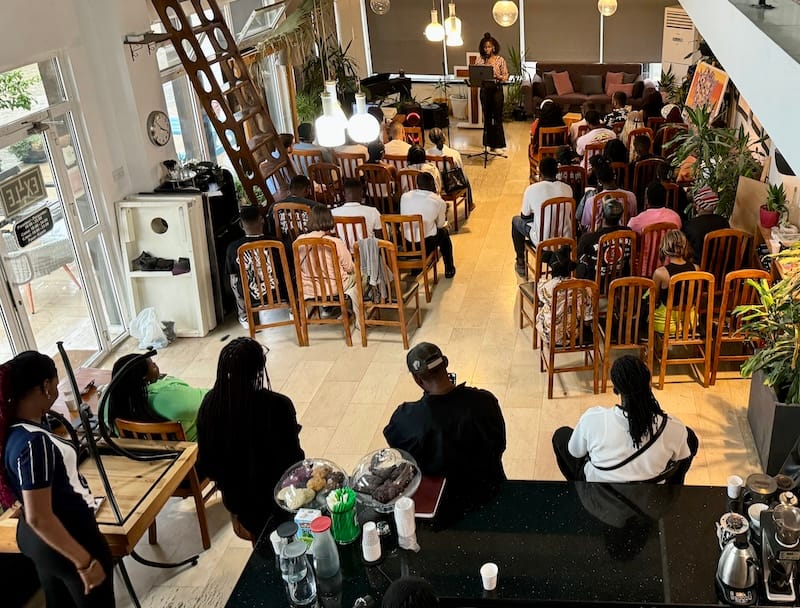
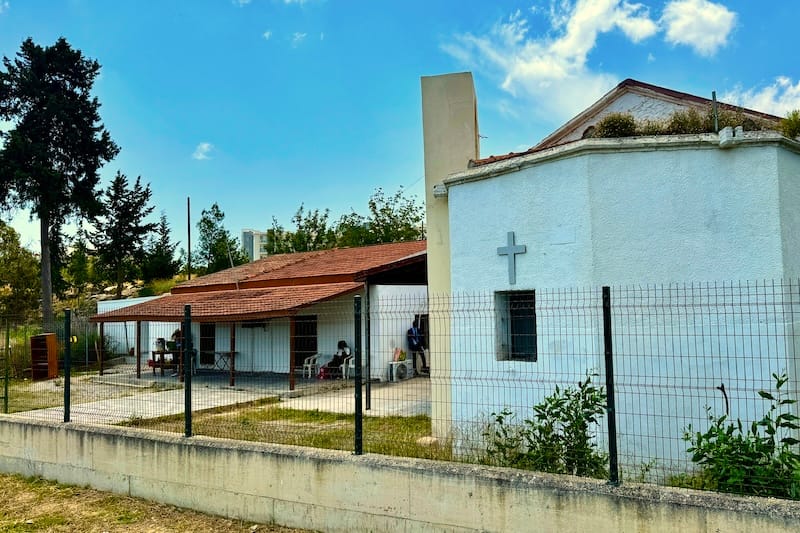
Jacob: It really was God who helped us find each other. Although we are in a Muslim society, the university understands that many of its students are Christians. A number of years ago, they dedicated some space on the edge of their property for a church. There are probably a dozen different churches that meet in that building. The school knows this creates more stable students... and God knows we need it! It was there that we met.
Miriam: When I look back on all of this, I can see God's hand. He did not cause any of it, but He has certainly helped me to build a life in the midst of it. He gave me Jacob, and we will get married this fall!
Jacob: It looks like I will be offered a job to continue teaching after graduation. I also plan to start a business managing websites. Miriam can continue to work, so we should get by. Life will be difficult, but it is difficult everywhere. I believe God is setting everything before us, and it will all be helpful for my career back in Nigeria.
There is also much work to do here at the church. New people arrive in Cyprus every week, and they all need help getting settled. Many are Christians. We have a ministry that draws them in and helps them avoid making bad decisions. With our experience, God has allowed Miriam and me to share Jesus with many people. It is our way of giving back and serving our Lord.
Conclusion
As you can see, both Jacob and Miriam have landed well despite their rocky start. My prayer is that you can see from their stories that not all migration is an effort to bypass rules, laws, or borders. Migration is a human response to a desire to do better in one's life. Good people migrate... for good reasons. But there are those, even those we call friends, who will take advantage of that desire for their own benefit. Northern Cyprus is a tough place to land on the Eastern Mediterranean Route. Here is a video that may bring some clarity to that statement.
But God is also at work on the island. Our time in Northern Cyprus brought us into fellowship with some incredible churches. Some are led by international pastors, others by the students themselves. We even met with national pastors who are doing effective ministry among the migrants. It reminds us that as difficult as it may be to be victimized and betrayed by those you trust, our God is ever-present and fully capable of restoring His people.