35 - Remain in Africa
2022 No 35
Moreover, man does not know his time: like fish caught in a treacherous net and birds trapped in a snare, so the sons of men are ensnared at an evil time when it suddenly falls on them.
—Ecclesiastes 9:12
Migration can be an incredibly complicated occurrence in our world, and it hardly does justice to reduce it to convenient catchphrases or categories. Migrants are people who, like most, are simply looking for a better life. You and I are not that different, except that we had better opportunities. Sub-Saharan Africans on the Central Mediterranean Route have had the hardest of luck, have often been victimized, and would certainly do things differently if they had the chance. One can have hindsight, but that does not mean that one can change their chosen pathway.
When we speak of places of origin, we think primarily of where someone would call home. When people ask me where I am from, I typically say Oklahoma. Oddly, I wasn't born there and only lived there for a few years. But it is where my family landed when I was young, where, I came to faith, and where I met my wife. I have not lived there in nearly forty years, yet I still call Oklahoma home!
Every place we have lived and served between then and now has turned out to be a place of transition. Nothing has ever really earned the title of "destination." Perhaps that is why my wife and I so identify with the migrants here in North Africa. These men and women had a dream of finding a home in Europe. That was their destination. They were committed, and they were willing to take the risk of losing everything to achieve that dream. Along the way, like a fish in a net or a bird in a snare, they became trapped on the southern side of the Mediterranean. Each has a different story, but most have the same result. North Africa has now become their home and will likely be so for a very long time.
The Initial Response
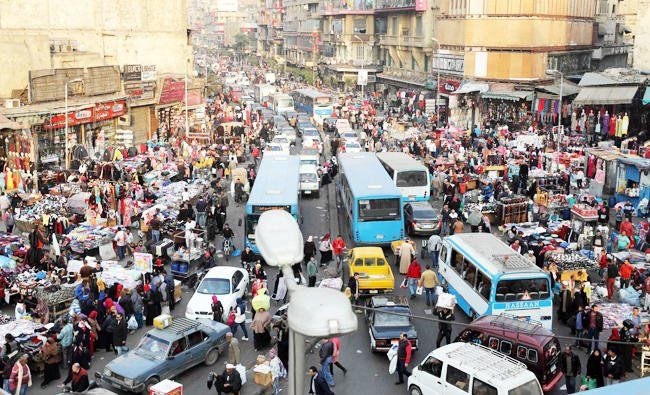
Walking the streets of any major city in North Africa, you will see dark-skinned, sub-Saharan Africans.1 The ones in the open have typically arrived in the country legally; they are university students, merchants, professionals, and even tourists. But these are not the migrants of this story. Our focus is on those who came along different pathways. The migrants of this post are those who came across the desert and who live very different lives.
The newest arrivals are just trying to survive and tend to stay in the shadows. In some respects, they have not even realized that they have been ensnared. They still hold onto hope that they will somehow make it across the Mediterranean. Like Abdoulaye in our previous post, they have survived the desert, survived the traffickers, and have gained a bit of wisdom along the way.² Armed with this kind of "street smarts", they lay low as they look for a way to make enough money for a seat in a boat. They are constantly moving, often floating from one place to another.
Keep in mind that most of these migrants are very young. Many are under the age of 18, having left home as early teenagers.3 It is a hard life, the kind of life that makes someone hard. They are constantly trying to avoid the authorities and to keep other migrants from taking what they have. Imagine saving the equivalent of $500 for an $800 boat seat and finding a way to hide it so others will not steal it. Many of these young men will sleep in abandoned buildings or perhaps in a wooded area outside of town. They earn their money by working low-paying jobs in informal markets.4 They eat by digging through the garbage. Injury or sickness can quickly become life-threatening because no medical care is available. As I said, it is a tough life, but being young does help.
In these early years in North Africa, as noted above, many migrants continue to press forward with their plan to find a way to Europe. Such helps to explain why there are so many who are still in Libya. One would think that when things began to fall apart, they would make their way east toward Egypt or west toward Tunisia. But if one is looking for a passage to Europe, it is Libya that offers the best chance. No boats depart Egypt, and those from Tunisia are much more expensive.5 As hard as it may be, their best chance is in an environment they know and understand. The only reason someone would leave the country would be if they gave up on their dream, which has not yet happened for this group.
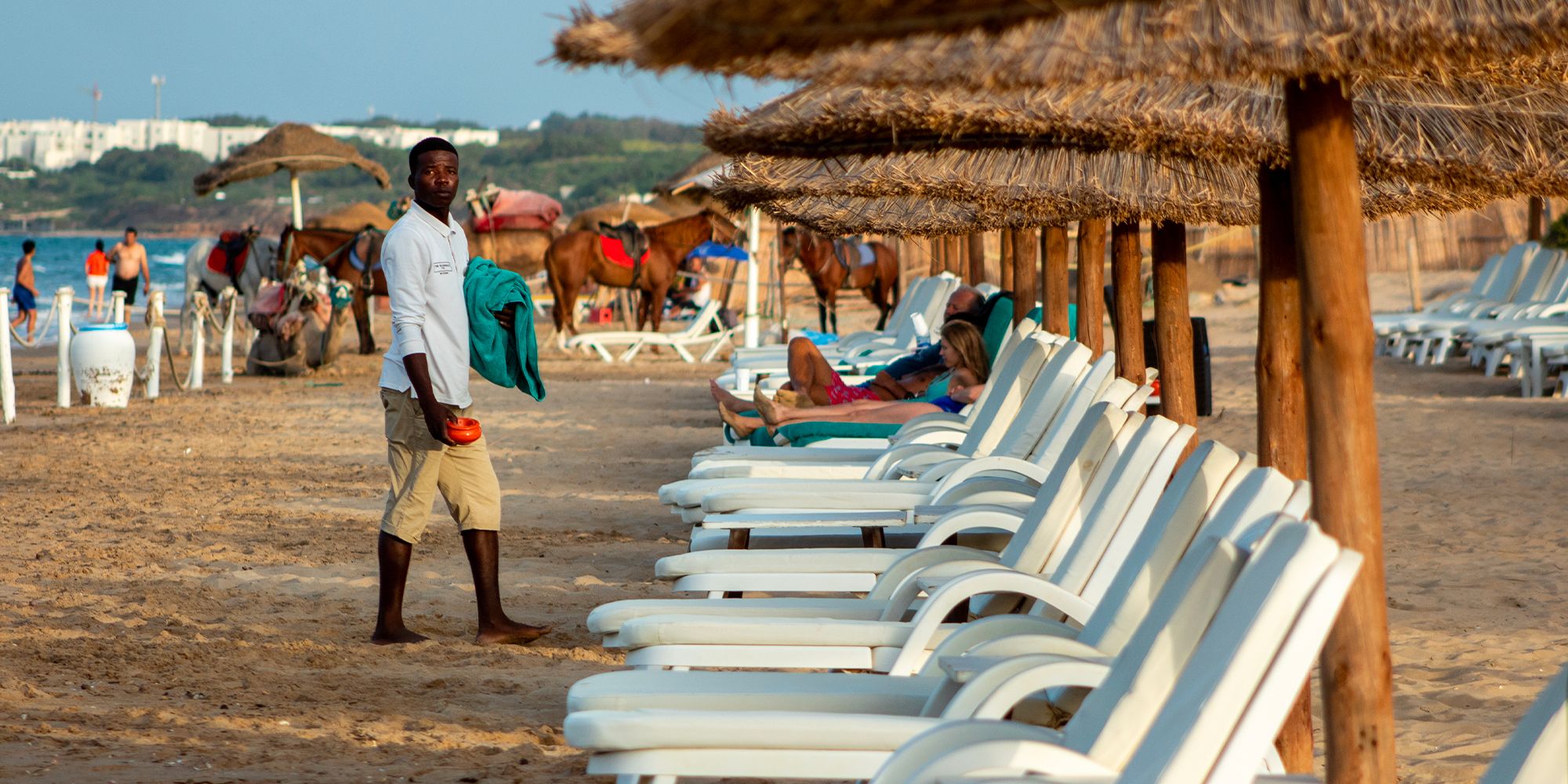
To be fair, a few try to go west to Tunisia, but few get very far. Militant groups control travel in Libya, and getting out of the country without assistance can be very difficult. Tunisia is not at war, and stricter control measures are in place at the border and in the cities.6 Generally, those who go west do so by paying a smuggler to get them out of Libya and into another country. Once out, smugglers must be found to get a boat. In Libya, those networks are extensive. In Tunisia, however, the networks are much smaller. Often they are local Tunisians seeking to capitalize on the growing trans-Mediterranean market, making them much more expensive. Consequently, this route is often beyond the means for the migrants stranded in Libya.
Reality Sinks In
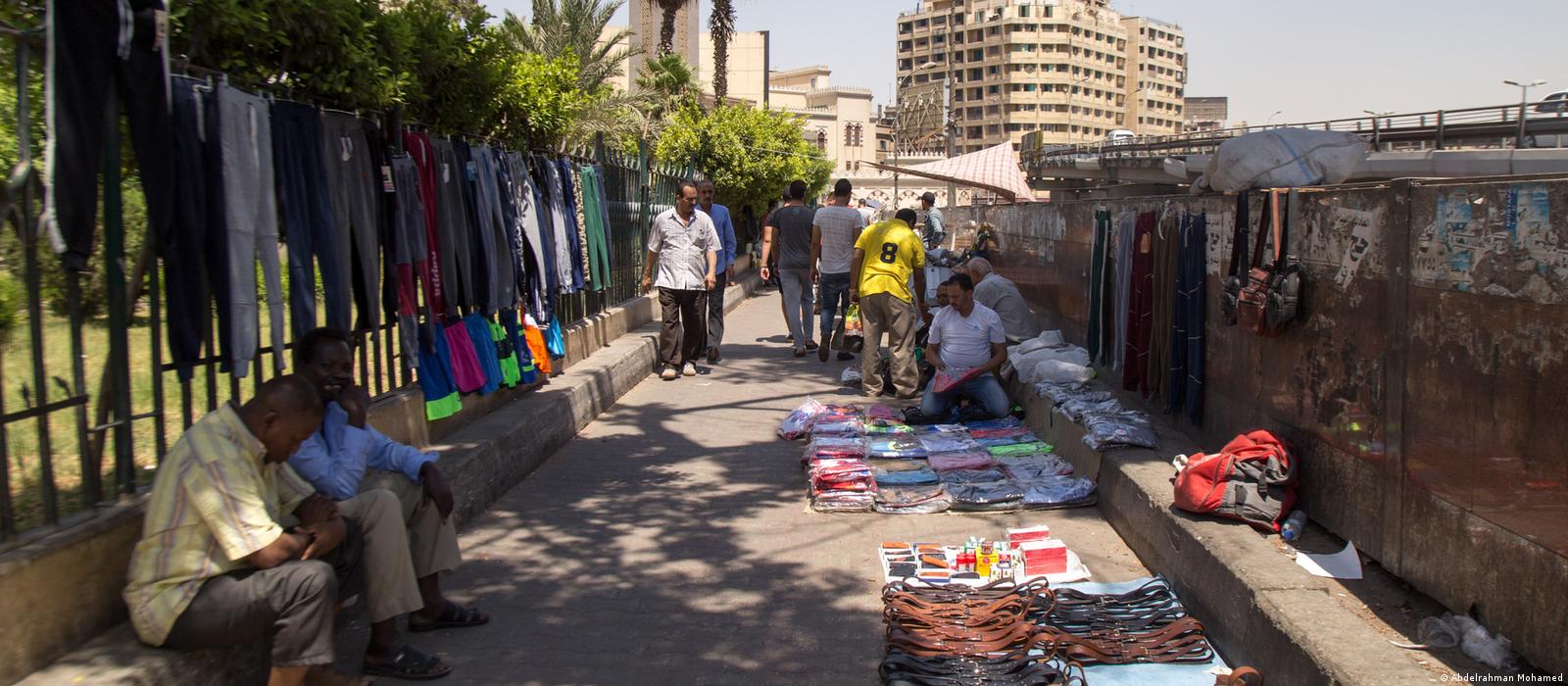
This is not to say that people do not leave Libya. Across North Africa, one can find migrants who can tell their stories of crossing the desert and of their time in Libya. Most will also tell you that when they left Libya, they also left their dream of Europe behind. At some point, reality sinks in and it becomes evident that living in Libya is not the best choice for their lives. Once it becomes clear that they will never be able to make enough money for a seat in a boat, they find a way to escape. Some will go East toward Egypt. Cairo is a massive city where one can find work and life can be established.7 Others will pay someone to help them get to Tunisia. And while the cost of a boat is much higher than in Libya, they imagine they may be able to make more money or protect the money they have in a new place. Such is seldom the case; many simply trade poverty for poverty. A rare few will continue to pay smugglers to move them further west, across Algeria and into Morocco.8 That places them on the Western Mediterranean Route, the subject of a future post.
Ultimately, there comes a place in the life of almost every migrant when they begin to recognize that they may never make it to Europe. The money is gone, and they cannot hope to earn enough for future attempts. To make matters worse, the money lost wasn’t their money. They often used community resources; money others had invested in their quest for Europe. The return on that investment was supposed to care for their families back home. With it now gone, nothing is left but shame and more suffering for those they love. Many of these migrants become isolated and do not make contact with family. In their mind, it is better to be considered dead. Rather than spending the little money they have on another futile effort, they begin to find a place where they may be able to live their lives.
Survival
Finding old Africans, that is, old irregular migrants in North Africa, is not that common. Much of it has to do with timing. Just over ten years ago, one could travel freely to the Mediterranean coast and find work. Often, the pay was better in North Africa than in Southern Europe. It wasn't until those markets dried up with the Arab Spring that the surge of clandestine migration made its way to Italy. In other words, the older population left North Africa long ago. Anyone who made their way through Libya after 2012 did so because they had few alternatives. Most were young at the time, and even today, one in four is under the age of 19.9 Over half are under the age of 30.10
For those still in Libya, it becomes challenging to retain any hope of a life in Europe as time passes. Some would certainly go if they could, but by this time, most have faced the reality that the trip is either unattainable or the risks and costs are unreasonable. Their only option is to settle and become a part of the North African fabric. Life is hard, but often no harder than it would be if they were back home and living in poverty.
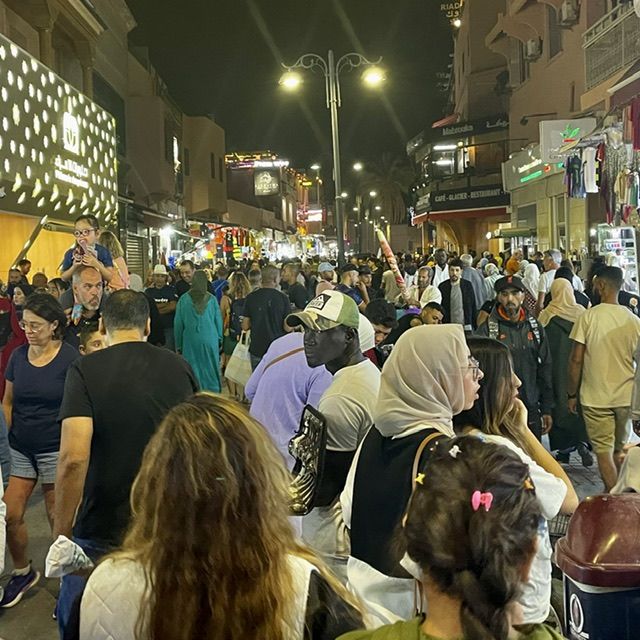
Interestingly enough, many will discover how to become successful in their new home. Remember, some of these migrants were university students, owners of businesses, and tradesmen. Most are very entrepreneurial. Never forget that the poorest of the poor don't leave home. Back in sub-Saharan Africa, 90% of the people live on less than $2,000 per year. These guys have had that much pass through their hands several times over. They have learned how to work, and how to make their money work for them. Once they focus on a more rational objective, they discover that they can capitalize on their new location and thrive. In most every North African city, one can find merchants and tradesmen who have made a life, started a family, and are somewhat successful.11 Eventually, some will even return to sub-Saharan Africa and put their business savey to work.
Conclusion:
There was once a day when people were born in a community and lived their entire lives without ever moving. I still remember knowing those who lived their whole lives without leaving their state. We called them "country folk." Globally, entire groups of people would leave the land of their birth and settle in another country. They replicated their communities back home in a way that reflected both their language and their culture. They often never moved again. We called them “diaspora.” It would seem that neither is very common anymore.
Today we live in a world on the move. Places of origin may not be where we were born. I call Oklahoma home, but I was born in Virginia and lived in three other states before we arrived. Places of destination are often imaginary points on a map. Even if we were to get there, we likely would not stay very long. It is as if everywhere is a place of transition. The definition and description of “destination” have become elusive, a place only found in our dreams. It is somehow always "over there," where the grass is greener, and life will most certainly be better. Solomon wrote that man does not know his time. Bad things happen to really good people who are simply trying to do something that would be beneficial for their families and themselves. We don't always achieve our dreams. Sometimes, we don't even get close... as the gate to the "other side of the fence" only leads to a place of despair.
There are hundreds of thousands of migrants stranded across North Africa. Most are young men who desire to work and have the heart to support their parents. They are tougher than nails and have an admirable commitment to their dreams. They are not bad people, and their goal was certainly not to be illegal. Once you get past the political descriptions or the media characterizations, you often find very real people who would truly make great neighbors. And if our Lord has His way, many will be our neighbors one day…for all of eternity.
Who those neighbors are and how they find faith in Christ will be determined by the movement of God's Spirit and the faithfulness of His church. Today they are ensnared in a net set before them by the forces of evil. We have a message that brings liberty to such captives: the Gospel of Jesus Christ. And without surprise, many of those trapped in such places are open to His love and receptive to a message of hope... shared by His people. And who are "His" people? They can easily be found when you go to church on Sunday… and by looking at who is sitting in your seat.
1IOM, "Migration Data Portal: Migration Data in Northern Africa", International Organization for Migration https://www.migrationdataportal.org/regional-data-overview/northern-africa (accessed October 20, 2022).
2 https://m2m3.org/32-the-horrors-of-libya/
3 UNICEF, Data Snapshot of Migrant and Displaced Children in Africa (Geneva: UNICEF Data, 2019).
4 IOM, IOM Libya Migrant Report Round 38 (Geneva: International Organization for Migration, 2021).
5 Matt Herbert, Losing Hope: Why Tunisians Are Leading the Surge in Irregular Migration to Europe (Geneva, 2022), 2.
6Ibid. See also Rihab Boukhayatia, "Sub-Saharan Migrants in Tunisia: Marginalization of a Replacement Workforce", NAWAAT https://nawaat.org/2022/10/19/sub-saharan-migrants-in-tunisia-marginalization-of-a-replacement-workforce/ (accessed October 20, 2022).
7 Sara Ahmed, "IOM: Egypt Home to More Than 9 Million International Migrants", Egyptian Streets https://egyptianstreets.com/2022/08/08/iom-egypt-home-to-more-than-9-million-international-migrants/ (accessed October 20, 2022).
8UNHCR, Routes Towards the Western and Central Mediterranean Sea: Working on Alternatives to Dangerous Journeys for Refugees (Geneva, 2021).
9UNICEF, "A Deadly Journey for Children: The Migration Route from North Africa to Europe" https://www.unicef.org/turkiye/en/node/1641 (accessed October 20, 2022).
10 IOM.
11 Hassen Boubakri and others, Migration in North Africa (Tunis: Regional Program Political Dialogue South Mediterranean, 2021), 2.