38 - Church on the Move – A Mixing of African Faith
2022 No 38
So, as those who have been chosen of God, holy and beloved, put on a heart of compassion, kindness, humility, gentleness and patience; bearing with one another, and forgiving each other, whoever has a complaint against anyone; just as the Lord forgave you, so also should you. Beyond all these things put on love, which is the perfect bond of unity.
—Colossians 3:12-14
As we look back on this journey, we have tried to understand and communicate an honest picture of migration along the Central Mediterranean Route. This 40,000-foot view allows one to see trends. But from that height, it may also run the risk of missing the pragmatic, relational aspects of the journey. At almost every waypoint along the pathway, migrants bump into other migrants. It is like a long river crossing multiple countries, drawing water from various sources. At points of convergence, the waters may remain separate, reflecting different compositions. But once the turbulence begins, the waters mix, becoming one river. The same is true in African movements. Muslims mix with Animists, who in turn, mix with Christians. As one migrant related, "we were of different faiths and different peoples when we entered the desert, but we were all brothers when we came out the other side." He then added… "and we were all praying to the same God!"
The Central Migration Route begins in sub-Saharan Africa's villages and urban centers. Many of those communities have expressions of Christianity, if not a physical church. These churches, in these places of origin, can play an incredible role in the early lives of migrants. In those fellowships, people are exposed to the basic tenets of Christianity, and some become followers of Christ. Even the predominantly animist or Muslim regions are significantly affected by the salt and light of God's people. They may not know much about Christianity, but they know that these people have faith and are committed to God.
As the pathway continues north, places of origin start to become places of transition, and some wind up becoming places of destination. As migrants pass through these cities, they become further exposed to God's people and the presence of the Holy Spirit. Migrants in need tend to be receptive to anyone who would hand them a cup of water, and Christian ministry often plays a vital role in the spiritual journey of an unbeliever. This is a crucial component that must not be overlooked... and one that our Lord uses to profound effect. Thus, this blog is more than just an effort to help you understand moving people; it is intended to help you grasp the church's role as migrants pass through their communities.
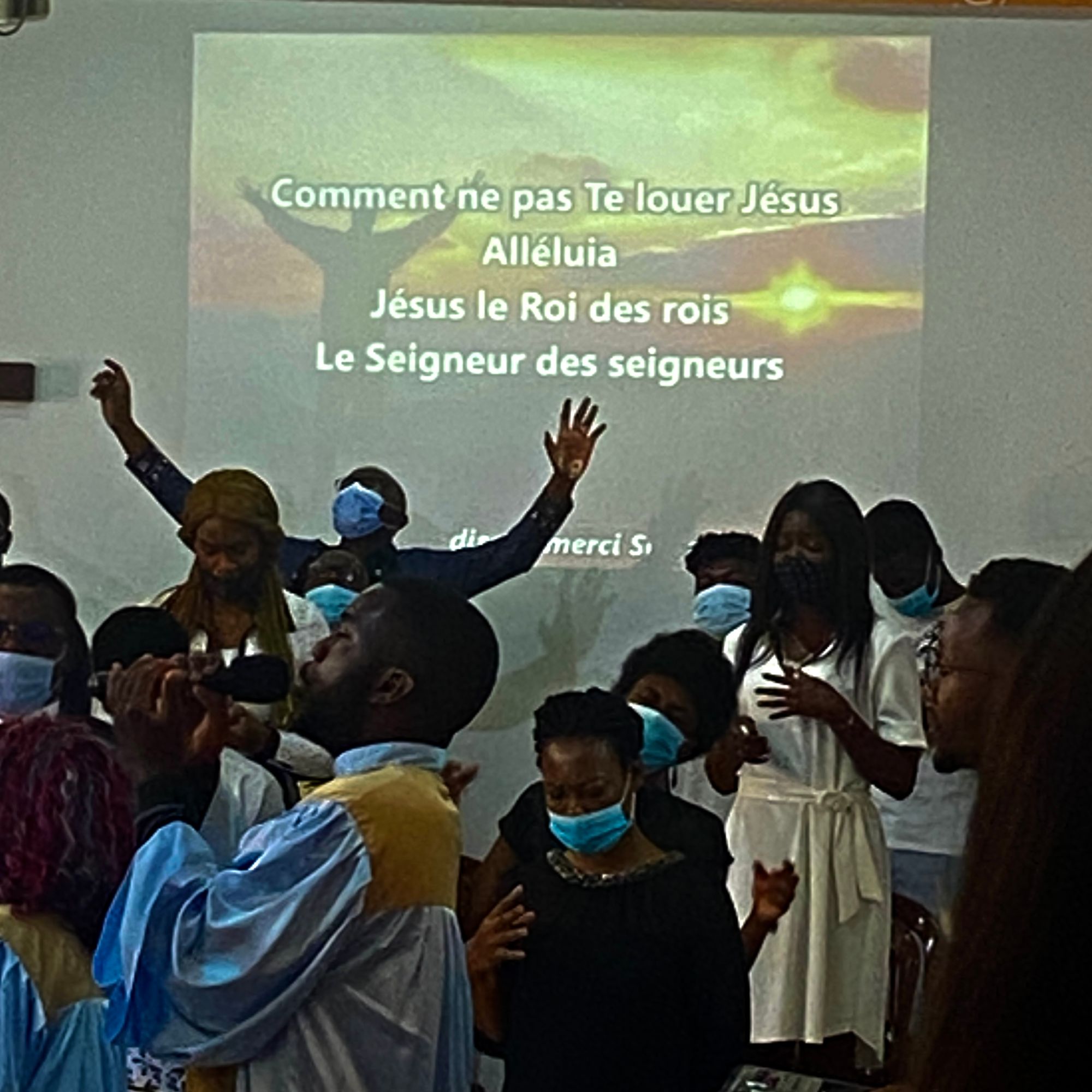
The Strength of the African Church
The African church is young, vibrant, and filled with potential. If you watch a three-year-old child, you might be tempted to covet their energy. Be careful! If God were to give you that power, you would likely hurt yourself! In terms of the African church, there is much to covet. There is also much for which she deserves patience.
It is important to recognize that the African church is relatively young in terms of church history. The World Missionary Conference was held in 1910 at Edinburgh, in the UK. This was the year when Western Christianity proclaimed herself to be, after nearly 2000 years, at her greatest strength.1 Those in attendance believed that the church was on the cusp of fulfilling God’s command to carry the gospel into the entire world. At that time, the number of global Christians was approximately 600 million.² Only 9-12 million of those believers were in Africa.3 Today, in slightly over one hundred years, the number of Christians in Africa alone is nearing 600 million. What the Lord has done in Africa is nothing short of revival and makes all other “Great Awakenings” seem small by comparison.
It would be pejorative to describe the African Church as an adolescent, but we can certainly argue that theologically, she is a very young adult. Such is true spiritually, and physically! The median age in many African countries is only nineteen!4 There is much to celebrate even in our differences. With her youthfulness comes a passion and a capacity to carry her commitment to Christ to the very ends of the earth. Those of us from the West should guard our comparisons and simply marvel at how God is working. It truly is a fantastic thing to watch and an absolute privilege to be able to serve alongside many of her pastors.
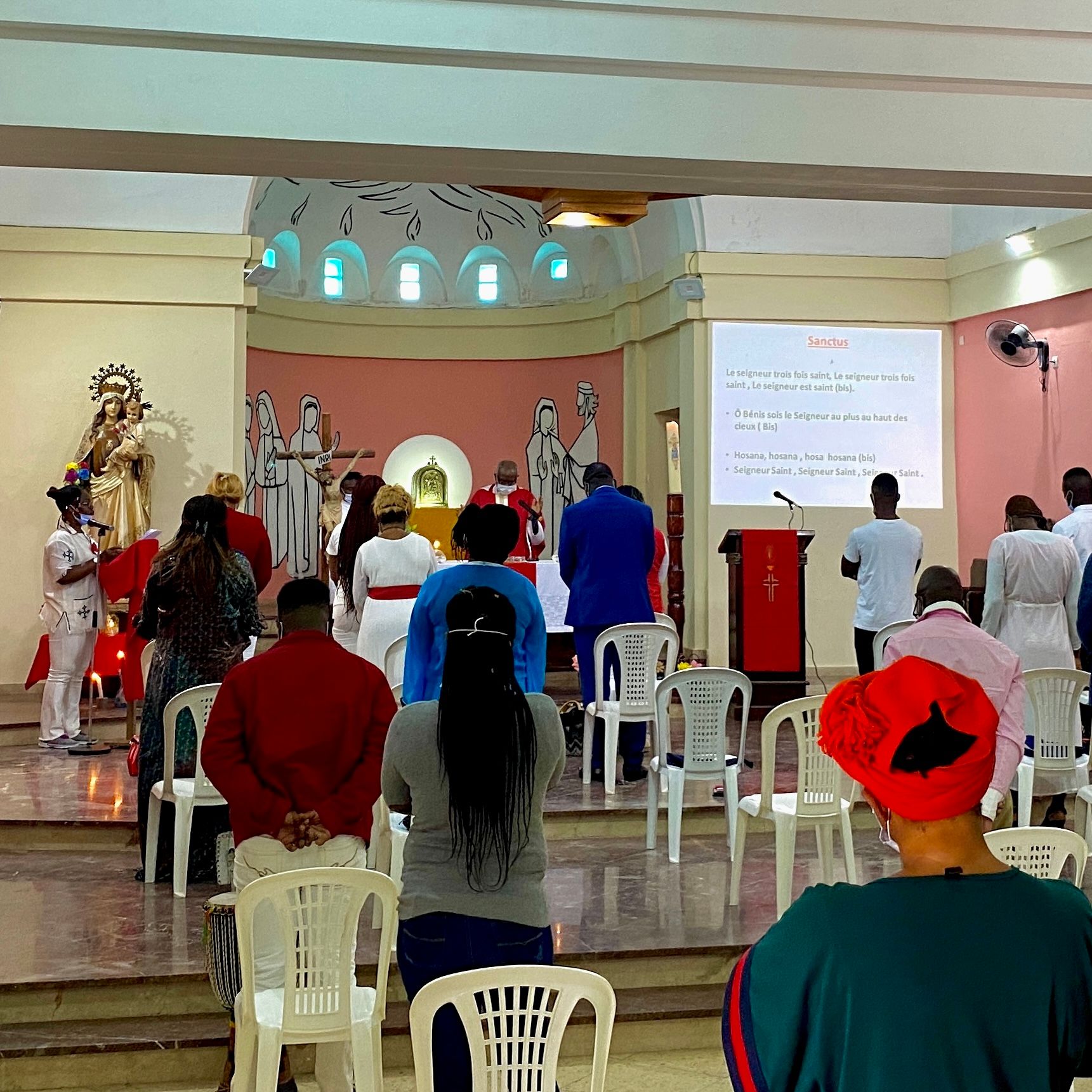
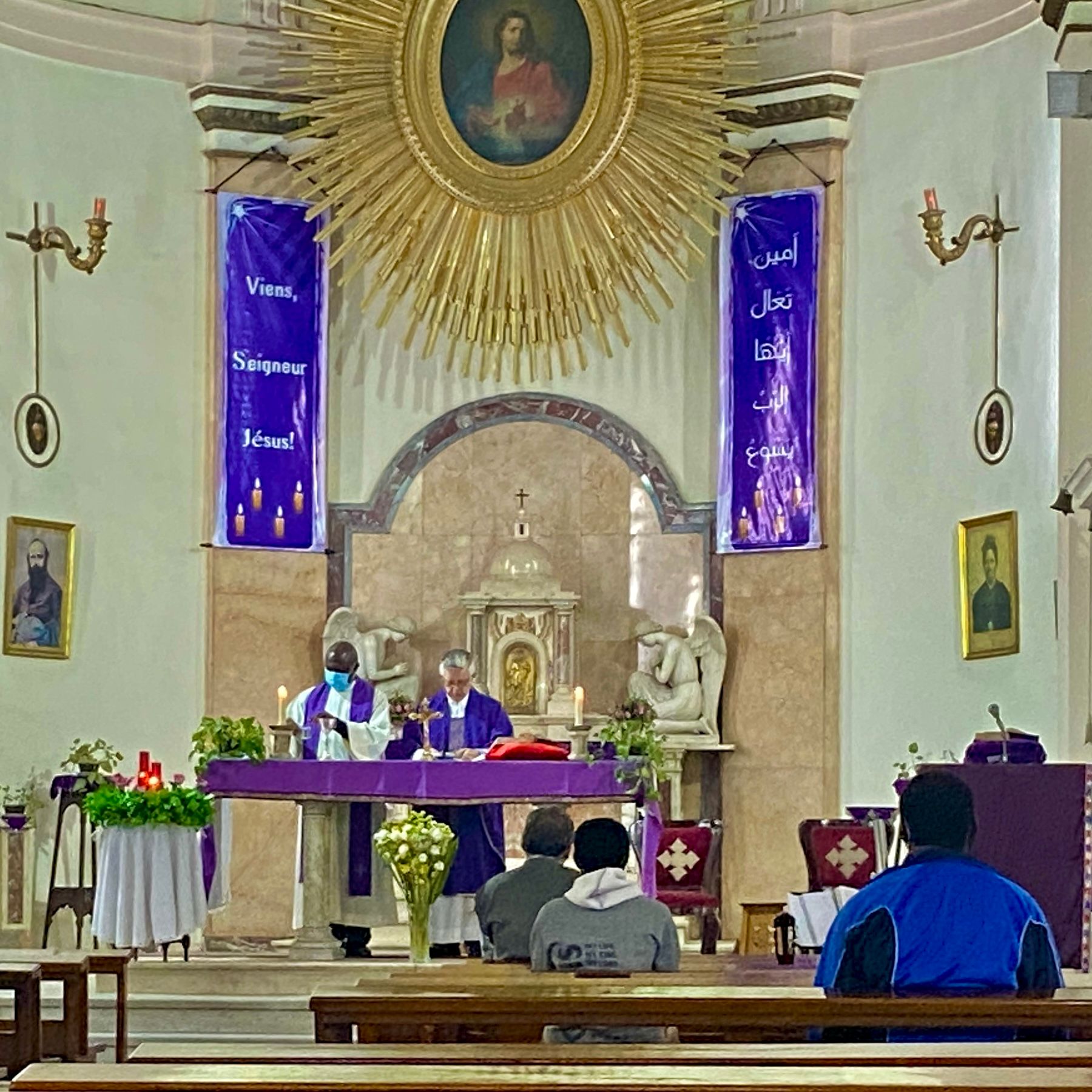
Sub-Saharan Worship in a Catholic Context in Morocco and Egypt
The Diversity of the African Church
The African church is also quite diverse. Much of that diversity comes from the colonial influences that brought Christianity to her shores. Most every western denomination sent missionaries to Africa. Each carried the gospel, which had a profound capacity to change lives. Each also carried their message clothed in western theological perspectives. One should not be surprised that those who accepted the gospel often embraced the packaging in which it arrived. Thus... in Africa... you can find Catholics, Anglicans, Baptists, Methodists, Adventists, Pentecostals, and a growing number of Jehovah's Witness and Mormons. However, if you attend their services, you will find that all have retained their African heritage.
No one theological perspective has had more of an impact or influence than Western Pentecostalism. This movement arrived shortly after the Azuza Street Revival in Los Angeles (1906-1909) and at the beginning of the Christian expansion on the continent. Its focus on the presence and manifestation of the Holy Spirit fit well with the underpinnings of animistic Africa.5 As other missionaries brought a more refined faith, Pentecostal revivalists could instantly connect with the people in both the cities and the bush. Millions came to faith and continue to do so today. One may well argue that the extremes of the movement, neo-pentecostalism, are causing significant harm and erosion to the modern body of Christ. I would certainly agree with that premise. But I would also argue that given time, the African church is strong enough and diverse enough to mature through this theological overemphasis on the Holy Spirit. In many places, her focus on the Word of God is already bringing a rejection of the excesses and a much more balanced focus on Christ. And in that balance, the church in Africa is thriving and growing into a massive missionary force.
The Capacity of the African Church
The maturation of the African church is beginning to reveal her capacity. Undoubtedly, the sub-Saharan church is positioned to be one of the greatest missionary forces of the 21st century. We live in a day when the mantle of ministry is being passed from the West to the South, and Africa is ready to heed the call. It truly is a historic moment. This is evident in three ways.
First, the African church has an incredible influence on the lives of her migratory members. Every church is apt to have those within her membership who either have... or will migrate. They may only go to the next city, but many will travel to another African country and perhaps to another continent. Each of them will carry their faith with them. If discipled properly, these diplomats, university students, merchants, and tradesmen will travel legally around the globe… each being a transmission agent of the gospel. Others will travel along clandestine pathways, standing alongside multitudes from across Africa who do not yet know Christ. They will work in cities along the way; they will sit next to one another on busses during long voyages, and they will suffer together in terrible places. However, many will rejoice together as they find faith and hope in Christ.
Second, the African church has perhaps the largest mission-sending capacity of any continent. She is in a unique position where the Lord can call out individuals and send them on specific mission tasks. As Africans, they can go almost anywhere and find support upon arrival. Why? Because African migrants are literally everywhere. There is a joke told around Mali that when Neil Armstrong planted the US flag on the moon, a Soninke tapped him on the shoulder and asked him if he wanted to buy another one!
We have witnessed that the African model of church planting is different from that of the West, requiring little support and being able to endure incredible hardships. Many African indigenous churches on the European continent were formed by intentional missionaries sent out by African churches. The vast majority, however, were planted by believers, who, after completing university studies in Europe, were called to remain and start a church. As much of the world becomes closed to the West and her missionaries, opportunities are abounding for those from the global south. In many respects, the African church is leading the way.
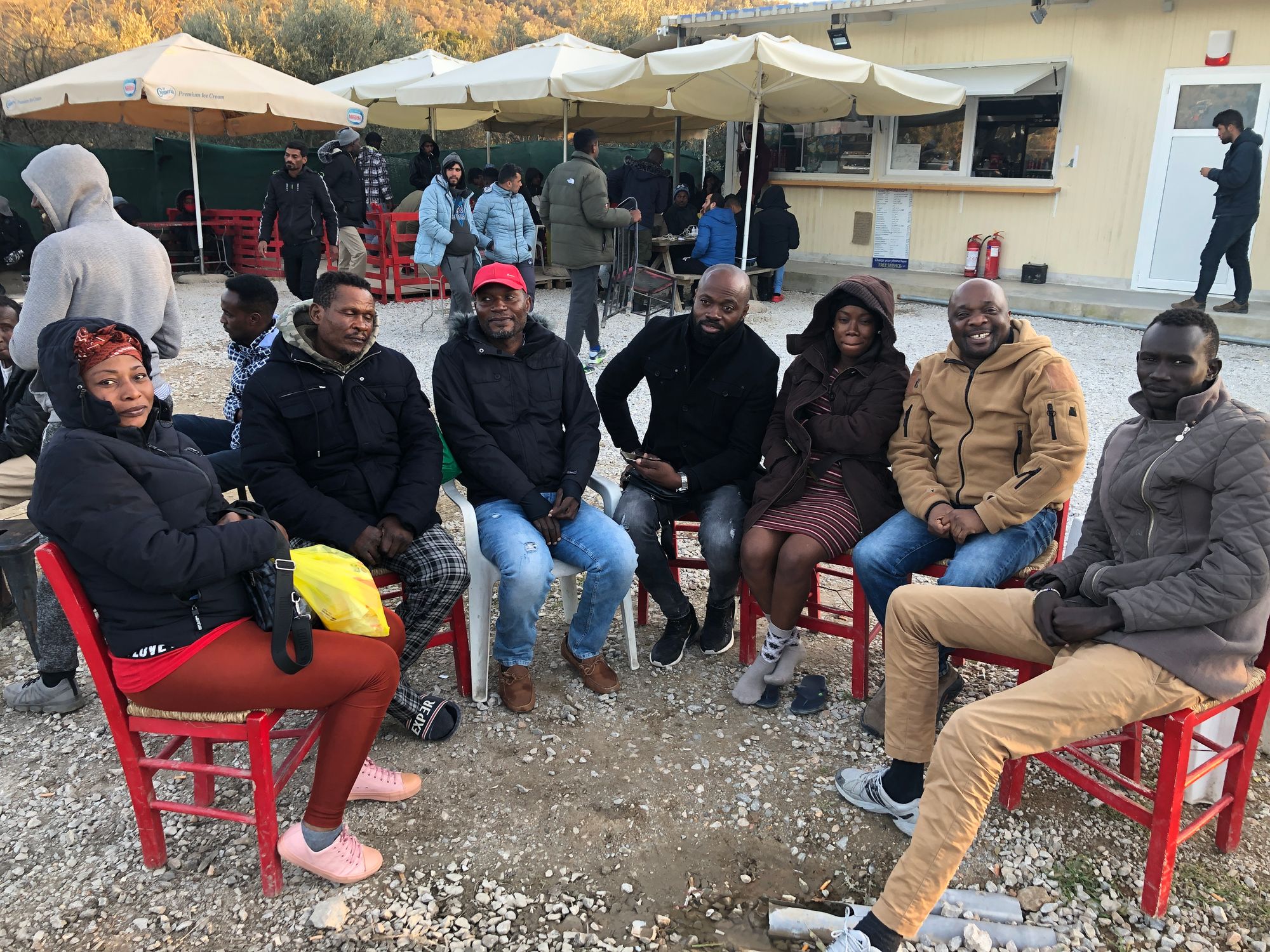
Third, the African church is becoming well established in many migrant transit locations around the Mediterranean Rim. Her presence is making a difference in the lives of migrants, her members are ministering to their neighbors, and many are coming to faith. Having spent time in these churches, I have witnessed something rather remarkable. The church in difficult places, like believers in challenging contexts, has a way of maturing very rapidly. Tough times require dependence on the Word of God, and that association has a way of rooting out theological error. Once you get past the name on the wall, we have often found a fellowship of believers who can… and are doing incredible things for the gospel.
Conclusion
I pray that this post causes you to express gratitude to our Lord for His Bride in Africa. After such a long series of posts describing the realities of the Central Mediterranean Route, one can become lost in the suffering and lose perspective on how God is moving. There is not a single program that can fix the challenges of migration or the horrors associated with human smuggling and trafficking. It is naive to think that the United Nations or any governmental action can truly change human nature. That nature is to dream of something better than today. Those dreams may not be realistic, but a dream is all that most can hope for.
This is where the hope of Christ enters the picture. The power of the gospel is that it can profoundly change one's heart, one's aspirations, and one's dreams. Men and women in Christ set their hopes on things above, not the tantalizing stuff of this world. It doesn't mean that people won't migrate. After all, most who are reading this post are devoted believers with a proper perspective... and who also changed locations in pursuit of their dreams. What salvation brings to the equation is the capacity to migrate for much better reasons and as led by the Holy Spirit.
The solution to the migration problems presented in these articles lie in the people of God, led by the Spirit of God, as a part of the church of God, sharing the message of God. Paul encouraged the Christians in Colossae to clothe themselves in the love of God. In so doing, they would find themselves in the perfect position to be used by the Lord to share the gospel with their neighbors. As the African church does the same, she will find that she is perfectly positioned to lead a new generation of global missionaries.
For our part, we need to recognize and celebrate the reality that the African church is on the move... and that God is moving with her. If we in the West want to make a significant difference in the world of missions and migration, we will do so by praying for, encouraging, and joining the labor of our brothers and sisters on the African continent.
1Brian Stanley, The World Missionary Conference, Edinburgh 1910 (Grand Rapids: Eerdmans, 2009), 1-2. pg 2.
2 Bruce Drake, Number of Christians Rises, but Their Share of World Population Stays Stable (Washington DC: Pew Research Center, 2013).
3Pew Research Center, Global Christianity - a Report on the Size and Distribution of the World’s Christian Population (Washington, 2011).
4Worldometer, "Africa Population" https://www.worldometers.info/world-population/africa-population/ (accessed October 22, 2022).
5Randy Arnett, Pentecostalization: The Evolution of Baptists in Africa (Scotts Valley: CreateSpace Independent Publishing Platform, 2017), Pg 1.