M-Moments
July 2, 2024
Then the Pharisees went and plotted together how they might trap Him...tell us... is it lawful to give a poll-tax to Caesar, or not?” ... Then He said to them, “render to Caesar the things that are Caesar’s; and to God the things that are God’s.”
--Matthew 22:15-21
I have just returned from a five-week excursion to the United States. It seemed that everywhere I went, immigration was a prevalent topic. The US has had a relatively open border since the last days of the COVID-19 epidemic, and it has not gone well. Conversations can quickly become emotional and often pivot into political debates. My first response is to remain quiet in such contexts, knowing that little can be accomplished in the midst of an emotional argument. My role has not ever been one to engage the political fray. However, I greatly desire to provide critical information as the church and her people seek to engage their neighbors with the gospel. It was a tough line to walk.

Those immigrant neighbors are hard to overlook. Of a population of nearly 342 million, current estimates are that there are over 46 million foreign-born nationals in the United States.1 That is more than one in ten. They would be larger than over 200 other world nations if they were their own country.2 When concentrated in certain geographical regions of the US, their presence can hardly be ignored. As one might imagine, I am connected with many pastors back in the States. They face the same challenges as my Mediterranean brothers… and are asking the same fundamental question… “How do I lead my people to love their neighbors... people they do not know… and may not even like?”.
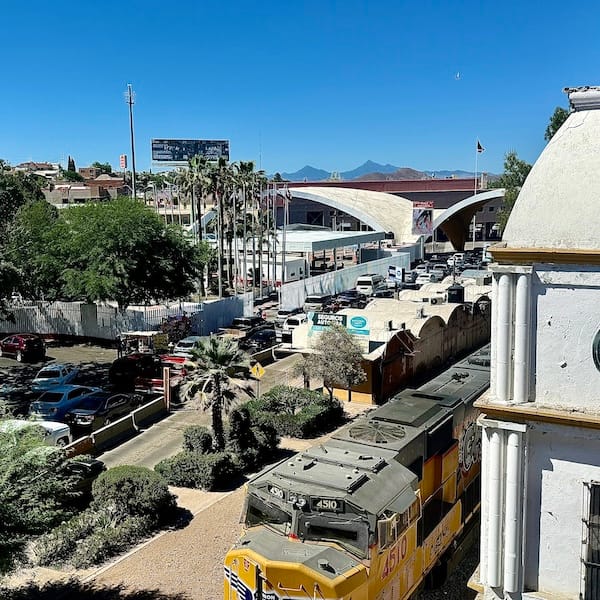
My encouragement is to help the church to stay focused on her goal. It is not that the people should not be politically involved, but we must never forget to “render to Caesar the things that are Caesar’s; and to God the things that are God’s” (Matthew 22:21). Politicians have a difficult job. That is why we are called to pray for them. Being politically active is appropriate, but our calling rises above that. We are called to love God first… and then to love our neighbor. That love should extend beyond someone’s legal status or country of origin. It is not easy, but the church plays a crucial role in leading her people to treat people like people, like those for whom Christ died.
During our time in the US, I spent several weeks in Arizona and had the opportunity to visit the two primary border crossings. I also had the privilege of meeting with local pastors and church leaders. Along the way, I enjoyed engaging several newly arrived immigrants in conversation. I walked away from each of those encounters with a renewed conviction of what we have been teaching for years.
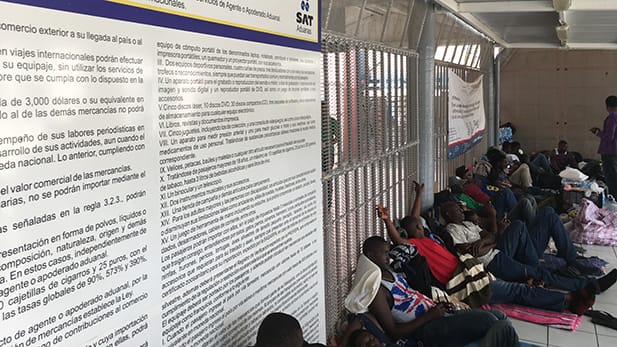
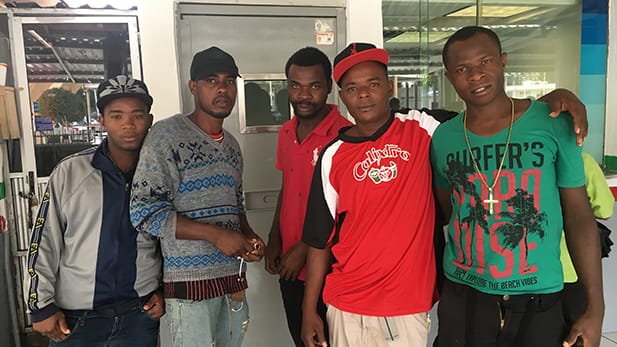
Haitian Immigrants... Arriving in Nogales 3
First, that eighty percent of all migration is legal. That means most people, whether students, employees, family members, or tourists, move with passports and visas in hand. Of the remaining twenty percent, over half are moving because they have no other choice. They are genuine refugees and would go home in a heartbeat if possible. Of the remaining, those often in the news, they are simply searching for a better life. Most just have the resources to pay smugglers to get them where they want to go.
Second, the world is filled with people who will take advantage of others simply for political or monetary gain. That happens on both sides of the river. Open borders do nothing more than create pathways for trafficking and smuggling networks. Ten years ago, Europe’s borders were open for nine months, and she is still dealing with the consequences of that decision. After three and a half years, the ill effects of recent American migration policies will be felt for the next two generations. All it has done is fill the pockets of criminals and lead to the death and suffering of millions of people.
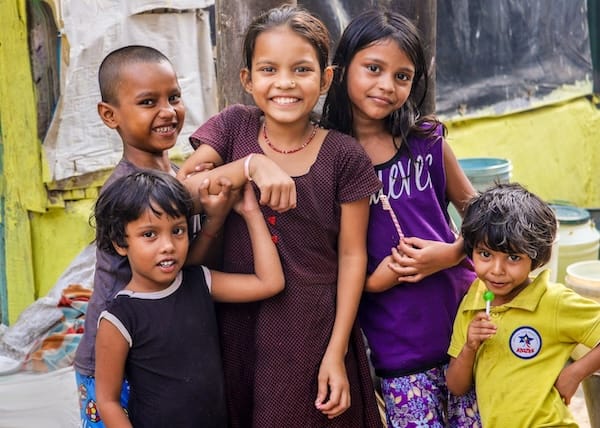
Third, those who have arrived… have arrived. They are now our neighbors. Punishing the individual for the failures of a global system hardly seems productive or just. My encouragement is to become proactive and get to know your neighbor. When you do so, you may discover that they arrived along very proper… and legal pathways. They are seldom who you think and are often very different from those you see on the news. My guess is that you will make a new friend, and your world will become a bit bigger and richer. As you get to know each other, I wouldn’t be surprised if God becomes a part of the conversation, and you will have the joy of sharing your faith with someone you now love.

1 "New Report on the Nation’s Foreign-Born Population", United States Census Bureau https://www.census.gov/newsroom/press-releases/2024/foreign-born-population.html#:~:text=According to a new report,the total population)%20in%202010. (accessed June 30, 2024).
2, "Countries in the World by Population (2024)", WorldoMeter https://www.worldometers.info/world-population/population-by-country/ (accessed June 30, 2024).
3 While dated, these photos illustrate the arrival of French-speaking Haitians in the US. While in Arizona, I met with several young men similar to these. One was a believer standing outside a local church, desperate for someone to help him get connected. "Haitians Arrive at Arizona Border to Uncertain Reception", AZPM https://news.azpm.org/s/42948-haitian-immigrants-arriving-at-arizona-border-to-uncertain-reception/ (accessed July 1, 2024).
4 Of the 4.6 million immigrants from India, only 11% are present illegally. Most of those have overstayed their student or tourist visas. I spoke with a church leader in Phoenix, AZ who told me that his "upscale" neighborhood was comprised almost entirely of immigrants from India. See Michelle Ami Reyes, "5 Things to Know About Indian Immigrants", Asian American Christian Collaborative https://www.asianamericanchristiancollaborative.com/article/5-things-to-know-about-indian-immigrants (accessed July 1, 2024).