80 - Historical Context of Cyprus
2024 No 80
So then those who were scattered because of the persecution that occurred in connection with Stephen made their way to Phoenicia and Cyprus and Antioch, speaking the word to no one except to Jews alone.
—Acts 11:19
Today, we return to the Eastern Mediterranean Route (EMR). For the past three posts, we have taken a bit of a diversion to add to the body of knowledge on the Central Route (CMR). It has been a fascinating journey across Tunisia, Pantelleria, Lampedusa, and Sicily. But... we must progress and finish the story of those who pass to the East through Turkey.
Cyprus. Just when you thought you were beginning to understand African movements on the Eastern Mediterranean Route, Cyprus comes into the picture. Currently, there are nearly 30,000 asylum seekers on the island.2 Yet, they are a fraction of the 191,000 total international migrants believed to be present.3 That is one out of every six residents. That should catch everyone's attention. So, what makes Cyprus any different from any other island off the coast of Turkey? Allow me to explain.
Cyprus reminds me of the dead sea... a lake without an outlet. For those who grew up in the US in the mid-70s, it is like a line from the Eagles song Hotel California. "You can check out anytime you want… but you can never leave". Migrants arrive, but there is no place to stay… and no option to continue their journey into Europe. It is certainly not what most expected. Of all the migrant situations we have examined, this one is perhaps the most unique and filled with disappointment and frustration for all involved. To understand how things evolved in Cyprus, we must review some history.
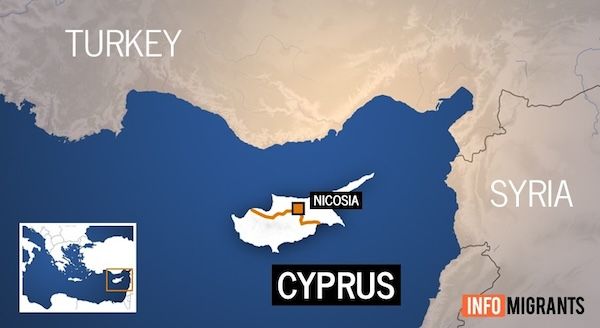
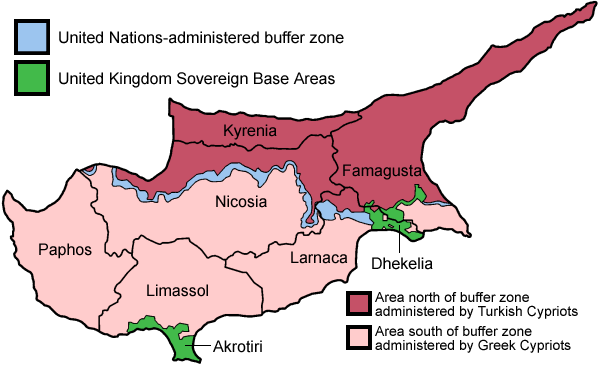
Modern Day Cyprus 4
Early History of Cyprus
Cyprus has a long history, particularly in the expansion of the early church. Barnabas, the companion of Paul, was born (Acts 4:36)... and is presumably buried there. Those who were scattered after the death of Stephen passed through Cyprus, preaching the gospel. Others who hailed from the island continued to nearby Antioch (Acts 11:19-20). Paul would transit the island on multiple occasions. The church was quickly and firmly established, with Barnabas (naturally) being their patron saint. The church presence continued until Islamic occupation in the seventh century.
As a Muslim territory, the island was populated by the Byzantines and yet ruled by the Islamic Caliphate for nearly 300 years.5 However, crusaders would take control of the island in the tenth century. Various actors then held it loosely until the Ottoman Empire finally took full possession in 1570.6 Even during that season, Christians remained on the island. They may have been severely repressed under Ottoman rule, but as we have witnessed in previous posts, they were allowed to remain.
As we move into the 19th and 20th centuries, the War for Greek Independence in 1821 had weakened the Ottoman Empire significantly. They would be defeated by the Russians in 1877. Leading up to that, the Suez Canal opened in 1869, and amid Ottoman weakness, the British government began to show increased interest in the island. Why? They needed a place to build military bases to secure their trade interests. Before a final treaty could be signed with Russia, the Ottomans gave administrative control of Cyprus to the United Kingdom in exchange for a pledge of support at the Congress of Berlin.7 In this secret agreement, the Cyprus Convention, Turkey (the Ottomans) would maintain the island's sovereignty, and the British were granted administrative control.8 That pushed Russia out of the picture for a season. The British ultimately took complete control of the island in 1914 when the Ottomans joined the Central Powers and entered WWI.
At this point, there were two primary groups populating the island. The Greek Cypriots, representing as much as seventy percent of the population, had been the island's primary inhabitants since before Christ's time. Their ultimate objective was for Cyprus to become free from international entanglements and join the growing Greek empire. They used the term "enosis" or "unity with Greece" to describe their political ambitions.
The second group was the Turkish Cypriots, a remnant of the Ottoman Empire. They wanted "taksim,”… which means "partition ." Representing twenty percent of the population, they knew they could not live under enosis, so they were campaigning for a divided island. The British were unwilling to allow either option, pressing for a unified Cyprian government, neither Greek nor Turkish. That remained their position even when independence was finally granted in 1960.
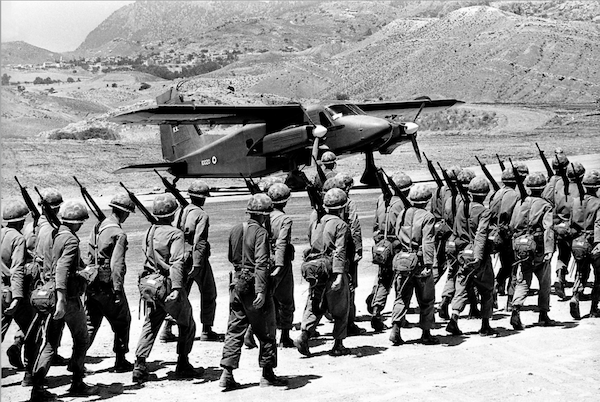
Modern Cyprus
When the Republic of Cyprus was formed, it sought to maintain the status quo... that is independent; neither Greek nor Turkish. Such was not possible. Tensions built for the next few years until violence between the Greeks and Turks finally broke out in 1963-1964. That displaced some 25,000 residents. Fearing a civil war, the Greek government sent 10,000 troops to restore order and to help maintain the unified government. It is essential to recognize that while Greece as a nation favored enosis, they knew that the collapse of the Cyprian government would not be in their political best interests. That is, until 1974.
On July 15 that year, the prevailing dictator of Greece supported a coup d'état led by individuals in the Cypriot National Guard on the island. To counter this move, Turkey invaded the island with 30,000 troops. They took control of the North, occupied chiefly by Turkish Cypriots. When the dust settled, there were significant population shifts. Nearly 200,000 people had been displaced... 75% pushed out of the North, 25% pushed out of the South. One-third of the island was now under Turkish control.
The international community condemned the occupation. Western states imposed severe sanctions and placed an embargo on Northern Cyprus. Even so, they have survived economically due to the support of the Turkish government. The military occupation of northeast Cyprus lasted for nearly ten years before a Turkish Cypriot State was ultimately declared in 1983. This "State" is not recognized by the EU or the West. Consequently, it leaves the country of Cyprus divided to this day.
In 2004, the European Union was pressing for expansion. Cyprus and nine other countries, primarily Eastern European countries, joined simultaneously. Although they were not immediately united under the Schengen Agreement, visa access was greatly simplified. (Remember, Schengen allowed visa-free travel between EU countries with adjoining borders.) All of Cyprus was accepted into the EU. However, Northern Cyprus was put on hold until the "Cyprus Problem" was resolved. This meant that ease of movement into the EU only existed for the Greek Cypriots. More about that in a moment.
Today, the Republic of Cyprus maintains legal sovereignty over all of the island except for two British military installations (Akrotiri and Dhekelia). The country is separated into two parts. The Republic controls the South (59%) of the area. The self-declared Turkish Republic of North Cyprus administers the North (36%). Another 4% is covered by a United Nations buffer zone known as the "green line." The region has politically reached a point of stasis, meaning that after fifty years of division, the situation has become routine for most residents.
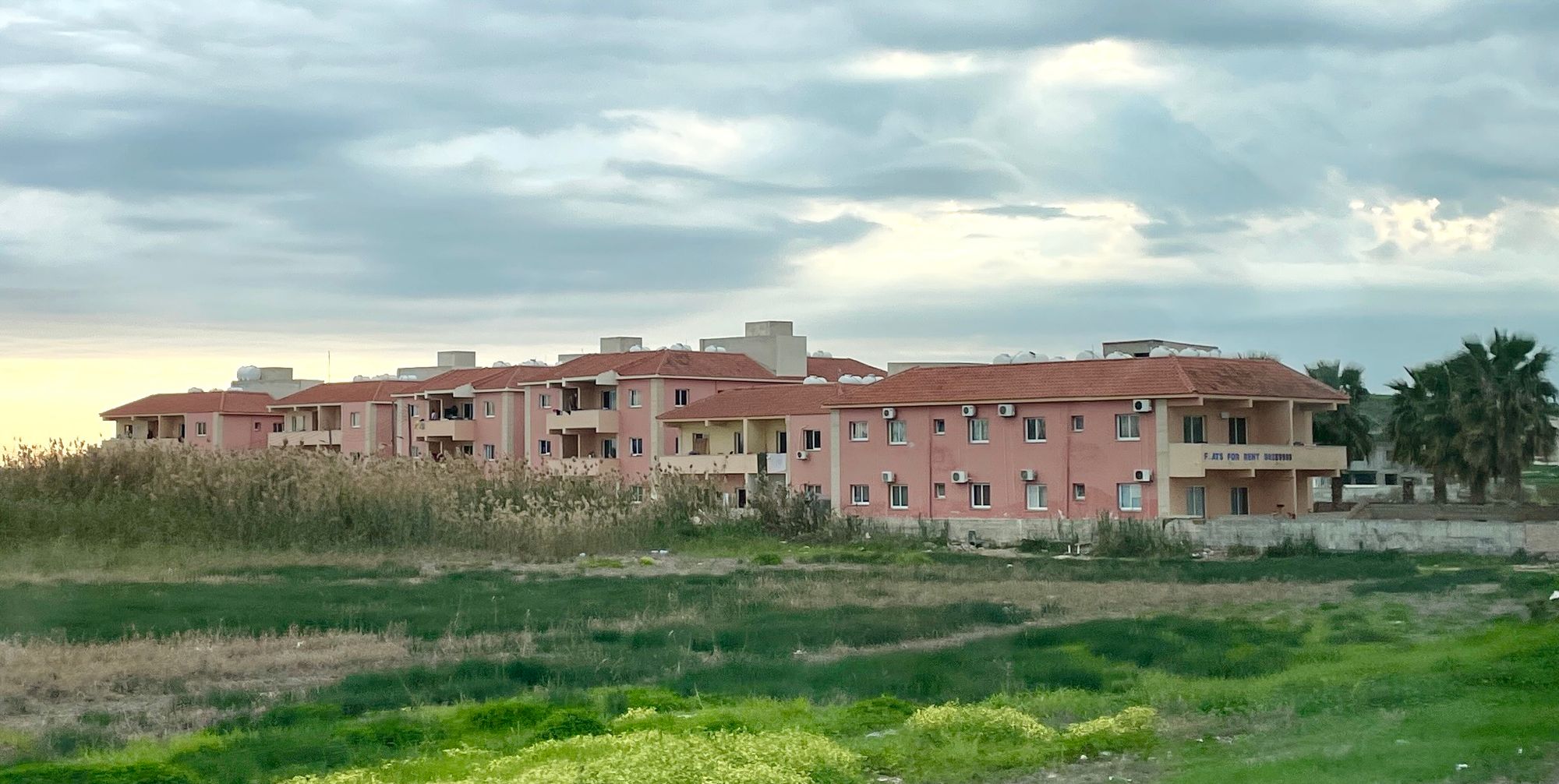
Southern Cyprus
Cyprus is one of those places that can be incredibly deceptive with just a surface glance.10 After the conflict of 1974, some eighty percent of the tourism industry was decimated. Much of the farmland had become unusable. The loss of a significant port interrupted nearly all of the sea freight. And… over one hundred fifty thousand Greek Cypriot refugees were displaced to the South, having lost everything. They had to be re-integrated entirely into a new society and build new lives within the economy. Things looked bleak.
That is… until the Civil War in Lebanon broke out in 1976. For fifteen years, wealthy Lebanese immigrated to Cyprus for a secure haven. At the same time, Cypriots could work in Middle Eastern oilfields, providing jobs for nearly 40,000 laborers. Their remittances provided over 27% of the nation's GDP during those years.11 Then... the collapse of the Soviet Union in 1989 facilitated the entry of over 50,000 wealthy Russian immigrants. Suddenly, things were looking much better.
Take note of a few statistics to explain the economic revolution. In 1974, the GDP per capita among Greek Cypriots was 4,000 USD. By 2005, it was at 23,000 USD.12 In 2021, it stood at 41,700 USD.13 On the Greek (southern) side, Cyprus ranks 12th out of 44 countries in the European Union.14 Thus, the economic prowess of southern Greek Cyprus lies in either the arrival of immigrant dollars (Lebanese or Russian) or the remittances provided by those who have emigrated to work in the Arab states.
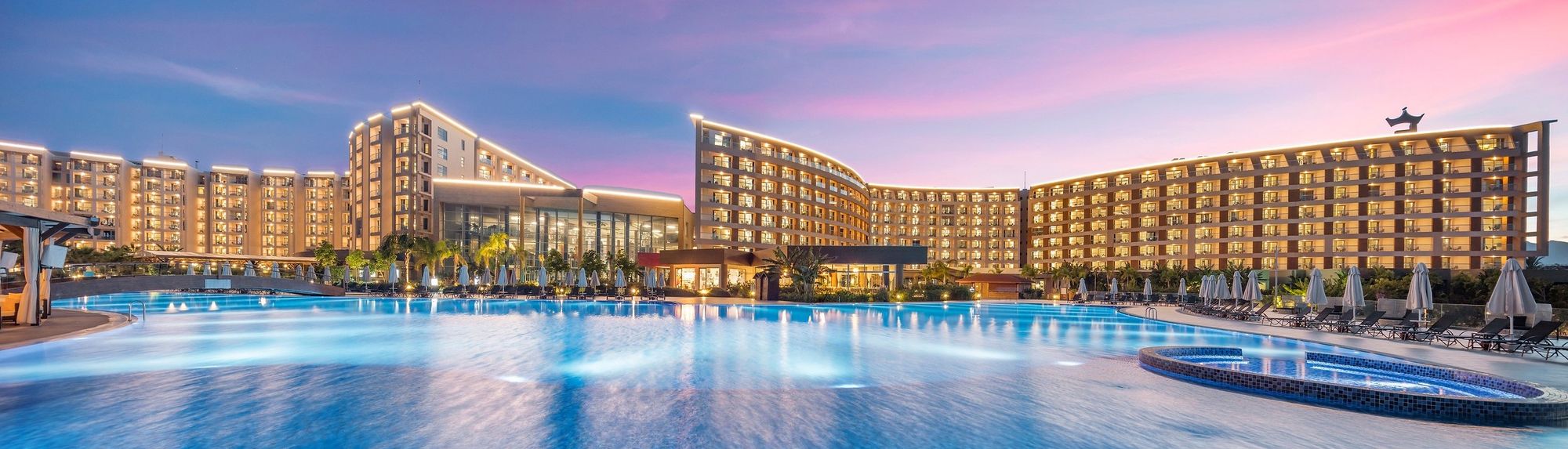
Northern Cyprus
The Turkish Republic of Northern Cyprus (TRNC) economy is inextricably linked to Turkey's economy. Because the TRNC is under international economic sanctions, everything financial and material must flow through Turkey. Its per capita GDP is about a third of the Greek (southern) part of the country.16 Because they use the Turkish lira for currency, their challenges have been exasperated by an inflation rate of 46% in 2021.17 By March of 2023, that rate was over 80%.18 Were it not for Turkish aid, the entire region would collapse
This creates a unique situation for Turkish Cypriots. They cannot create their own economy and, therefore, must depend on Turkey for everything. On the other hand, Turkey knows it must support the TRNC and do so in unconventional ways. This helps explain some of the unique economic supports found in Northern Cyprus. For example…
Higher Education: More than 23 universities host over 50,000 international students in Northern Cyprus. They bring significant resources to the community, roughly one-third of the region’s GDP.19 Many are legitimate, as Cyprus can offer students an international degree. And yet, others serve as conduits for illegal migration... to the South! These activities are difficult to conceal. Having so many schools in such a small area is undoubtedly suspicious. Some reports say there may be only 6-8 legitimate schools. I suspect there are more, but the reality of bogus enrollments is difficult to ignore.
Northern Cyprus is a crucial link in the smuggler's network. It is not uncommon for prospective students to pay thousands of dollars to “agents" to get them into a Cyprian university. This gives them a visa to Turkey, then transit to the island. They only intend to arrive in northern Cyprus… and then cross the “green line” into Southern Cyprus.20 Last year, that number exceeded seven thousand students. They have been led to believe that they can claim asylum and then be transferred to Europe. But that is a false hope.
Casinos: In the same way, there are a plethora of gaming institutions in Northern Cyprus. Over 30 casinos exist in this small territory. They provide opportunities for tourists who come from regions where gambling is illegal. That includes almost all Arab countries, including Turkey. For most, it is a win-win situation. By tolerating gambling in the TRNC, wealthy Turks come to spend their money. But they do more than just bet money. Casinos are integrated into luxury hotels that offer other services that would be illegal for their guests back home. Prostitution abounds, and illicit drugs are readily available. Organized crime can live in Turkey without consequence and then do most of its work outside the country.
This brings us back to the Eastern Mediterranean Route. The context of Northern Cyprus allows for significant movements to the island and ultimately to the southern Greek side. This creates an easy environment for smuggling and trafficking networks to exist. As noted in the introduction, there are over 30,000 asylum seekers in Southern Cyprus.
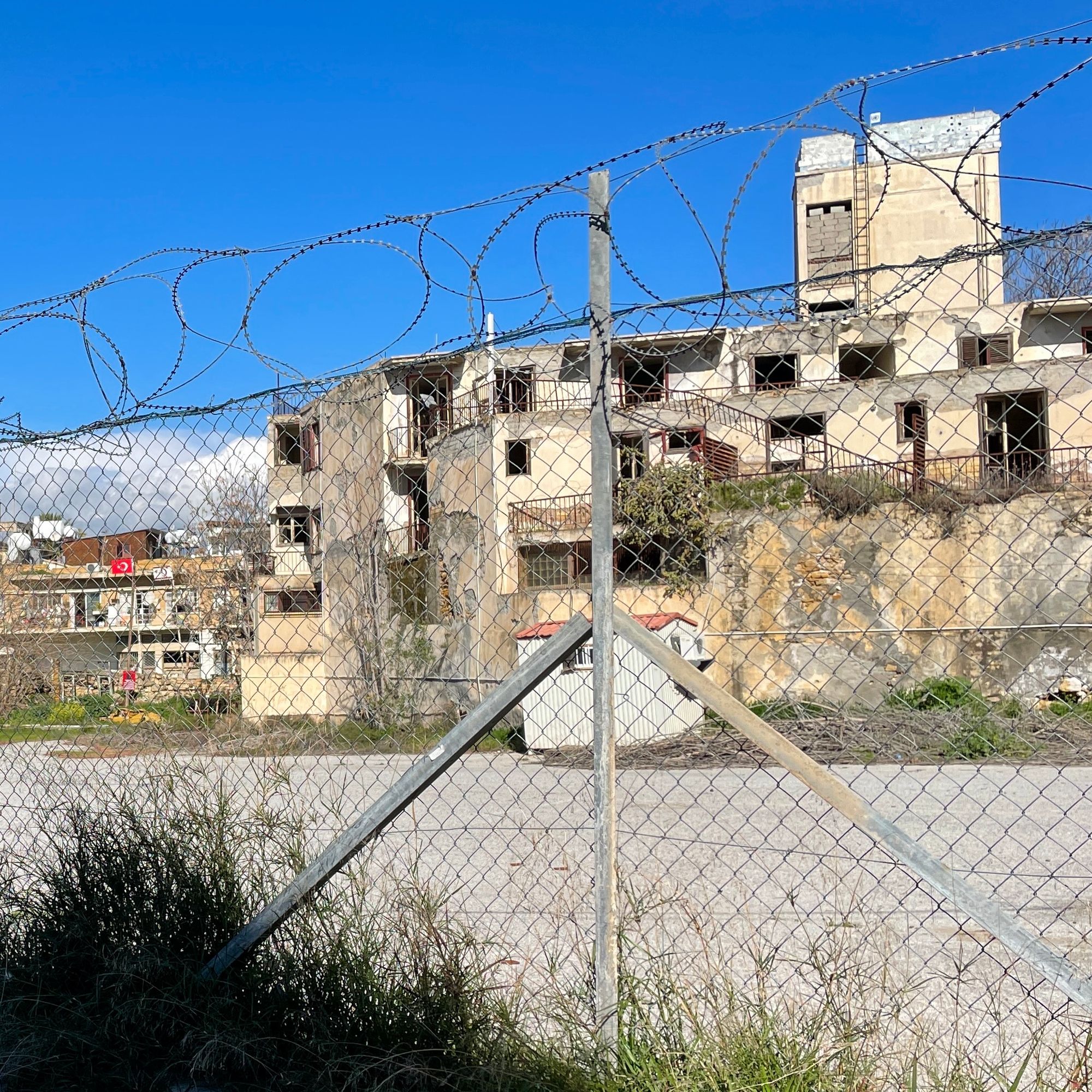
Migration to Cyprus
The stories told by those arriving in southern Cyprus can be very diverse. Most of them came believing a lie told by smugglers. They go something like this:21
—Cyprus is a European country, and you can travel to Europe easily once you get there and apply for asylum.
—Cyprus offers a lot of job opportunities.
—Persons who say they are below 18 years old get asylum automatically.
—As an asylum seeker, you can get a visa for the USA or Canada.
—If you get pregnant and give girth to a child in Cyprus, you are given asylum.
—If you get international protection, you can bring all your family to Cyprus.
People believe these lies and pay their money to the smugglers. Once they arrive, however, they discover that none of it is true.
In reality, 96% of asylum seekers are rejected and then face a five-year EU entry ban.22 Those waiting for a decision are initially housed at one of two reception centers: Pournara and Kofinou.23 However, these facilities can only hold an estimated 3,000 residents and are not designed for long-term stays. Most of those awaiting a decision live in the towns and cities. They occupy anything remotely habitable, often falling victim to unscrupulous landlords and government officials. There is another center at Limnes designed to host failed asylum seekers who are pending deportation. It has a capacity of over 1,000. In 2022, they carried out over 7,000 returns.24
According to InfoMigrants, a consortium of European news agencies, people seeking asylum in Cyprus are from the Middle East, Asia, and even Central America.25 Surprised? Don't be. Remember, the smuggling markets are peddling their lies to anyone who can buy a ticket to Turkey. Many are from Africa. Over 9,500 of the 21,745 asylum applications for 2022 were for the African continent.26
Conclusion
One of the first islands to receive the gospel was Cyprus. Those who carried that early message were refugees. They had fled their homes because of the persecution that arose after the death of Stephen. They were not the last. Across the millennia, people have traversed the island on their way to “somewhere else.” Many became stranded in Cyprus and became the foundation for a thriving Christian community. Others would either move forward or go back home. However, in the movement, they would share the hope of Jesus along the way.
One of the challenges of ministry to migrants is that when they are in transition, they are focused on movement. As such, they do not take the risk of engaging outsiders. Once they reach their destination, they are often occupied with assimilation and building their new life. Cyprus, however, is unique. These are people in transition who are not going anywhere. They have checked out… but they cannot leave. In this exceptional situation, there are opportunities for the local church and FBOs to engage with the love of Christ.
Talk Truth About Cyprus 27
1 "Turkey Is Visible from Northern Cyprus", reddit http://tiny.cc/2nczvz (accessed January 11, 2024).
2 "Cyprus Refugee Statistics 1968-2024", Macrotrends http://tiny.cc/ur6zvz (accessed January 11, 2024).
3 "Country Profiles: Cyprus", Vatican: Integral Human Development https://migrants-refugees.va/country-profile/cyprus/.
4 Image courtesy Wikipedia. See also Benjamin Bathke, "Cyprus Is Becoming New Entry Point for Migrants Trying to Reach the EU", InfoMigrants https://www.infomigrants.net/en/post/16644/cyprus-is-becoming-new-entry-point-for-migrants-trying-to-reach-the-eu (accessed January 11, 2024).
5 Luca Zavagno, "Two Hegemonies, One Island: Cyprus as a "Middle Ground" Between the Byzantines and the Arabs (650-850 A.D.)," Reti Medievali Rivista 14 (2013): 6.
6 Stephen R. Turnbull, The Ottoman Empire, 1326-1699, Essential Histories, vol. 62 (Oxford: Osprey, 2003), 58.
7 "Congress of Berlin", Oxford Reference https://www.oxfordreference.com/display/10.1093/oi/authority.20110803095500778 (accessed January 11, 2024).
8 Dwight Erwin Lee, Great Britain and the Cyprus Convention Policy of 1878, Harvard Historical Studies,, vol. 38 (Cambridge, London,: Harvard University Press, 1934).
9 Ibid.
10 An Island Divided: Next Steps for Troubled Cyprus, (Brussels: International Crisis Group, 2023).
11 George Stavri, "An Economic Vision for Cyprus: The Greek Cypriot Experience" https://www.esiweb.org/pdf/esi_turkey_tpq_id_50.pdf (accessed January 11, 2024).
12 Ibid.
13 CIA, "Cyprus: Country Summary", The World Factbook https://www.cia.gov/the-world-factbook/countries/cyprus/summaries/#economy (accessed January 11, 2024).
14 "2023 Index of Economic Freedom", The Heritage Foundation https://www.heritage.org/index/country/cyprus (accessed January 11, 2024).
15 "Elexus Hotel Resort Casino", Cagliturizm https://www.cagilturizm.com.tr/f/elexus-hotel-resort-casino/207/ (accessed January 11, 2024).
16 "Economy of Cyprus", Academic Accelerator https://academic-accelerator.com/encyclopedia/economy-of-cyprus (accessed January 11, 2024). See also "North Cyprus Economy Boost as Gdp Grows by 13.3% in 2022, with Tourism the Strongest Performer", T-Vine https://www.t-vine.com/north-cyprus-economy-boost-as-gdp-grows-by-13-3-in-2022-with-tourism-the-strongest-performer/ (accessed January 11, 2024).
17 "Breakaway North Cyprus Reels from Turkish Lira Collapse", France 24 http://tiny.cc/pr6zvz (accessed January 11, 2024).
18 "TRNC Reports Annual Inflation at 81.22%", Cyprus Mirror http://tiny.cc/ar6zvz (accessed January 11, 2024).
19 Derek Thomson, Corentin Bainier, and Erika Olavarria, "Foreign Students in Northern Cyprus: False Promises and Disillusion", France 24 http://tiny.cc/ts6zvz (accessed January 11, 2024).
20 Ibid.
21 "2023 Unmasking Smugglers: Myths and Lies", Talk Truth About Cyprus https://talktruthaboutcyprus.com/unmasking-smugglers-myths-and-lies/ (accessed January 11, 2024).
22 Michele Kambas, "Cyprus Unveils Campaign to Counter Spike in Asylum Seekers", Reuters https://www.reuters.com/world/europe/cyprus-unveils-campaign-counter-spike-asylum-seekers-2023-06-06/ (accessed January 11, 2024).
23 UNHCR, Cyprus Reception: June 2023 (Geneva: United Nations High Commissioner for Refugees, 2023).
24 InfoMigrants, "Cyprus: Dozens Arrested after Violent Clash at Refugee Center", Deutsche Welle https://www.infomigrants.net/en/post/53082/cyprus-dozens-arrested-after-violent-clash-at-refugee-center (accessed January 11, 2024).
25 Ibid.
26 "Asylum Applications and Refugees in Cyprus", World Data https://www.worlddata.info/asia/cyprus/asylum.php (accessed January 11, 2024).
27 "True Stories", Talk Truth About Cyprus https://talktruthaboutcyprus.com/true-stories/ (accessed January 11, 2024).