24 - South to North Movements: The Choices Are Not Always Easy
2022 No 24
There is a way which seems right to a man, but its end is the way of death. —Proverbs 14:12
It is hard to believe that we have posted some twenty-three articles on sub-Saharan movements. The journey has taken six months, and we have only been able to do a basic introduction. As you can imagine, there is so much behind the images of migrants sitting on a Canary Islands dock or in a refugee camp in Greece. All of them left home because they truly believed that life would get better if they could just get from their “here”… and find a way to our “there.” For many, it does indeed get better. For those who have a lot of money or a family to receive them in a destination country, or for students who earn a scholarship, their direct route is not that difficult. For the rest, however, life can quickly go from bad to worse.
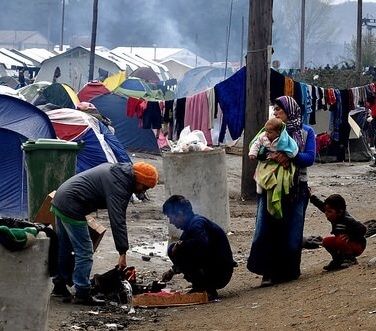
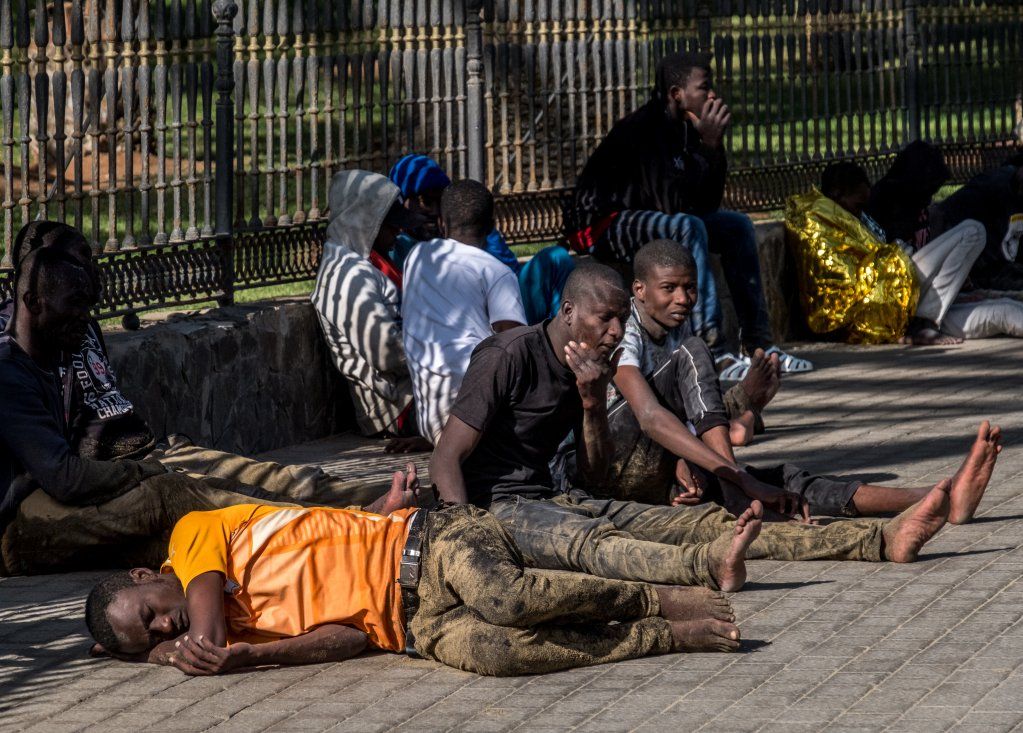
Lesvos Greece / Canary Islands
It is a deliberate choice for most sub-Saharan Africans to take the first or second step, one for which I argue they must take responsibility. After that, however, there is often no turning back. (It is what happens when you jump in a river!) The direction they take will depend on how much money they can scrape together and who they happen to meet along the way. Five men and a woman from the same African city can all try to go to Europe, and they will all imagine that they will get there without much difficulty. But if you were to track their movements, you would find that each could take very different routes. For example:
Ibrahim secured a tourist visa ($600) to Turkey to visit his “cousin.” At least, that is what he put on his application. He had enough money ($800) to buy a plane ticket to Istanbul, and then he planned to pay a smuggler ($300) for a seat in a boat to Lesvos, an island in Greece. From there, he would claim asylum and hope to be transported to the mainland of Greece. If his application were accepted, he might be able to relocate to Germany, where he was told that he could find work.
In the same way, Moussa flew to Morocco ($400) to visit the new Grande Mosque in Casablanca. He would then pay a smuggler ($1,000) to take him south to Tan-Tan, where he could take a boat to the Canary Islands. Once on Spanish territory, he was told he would be flown directly to Barcelona, Spain. Once in Spain, he could claim asylum, and the government would give him at least a year of support as he learned Spanish. They would then pay him to go to the university.
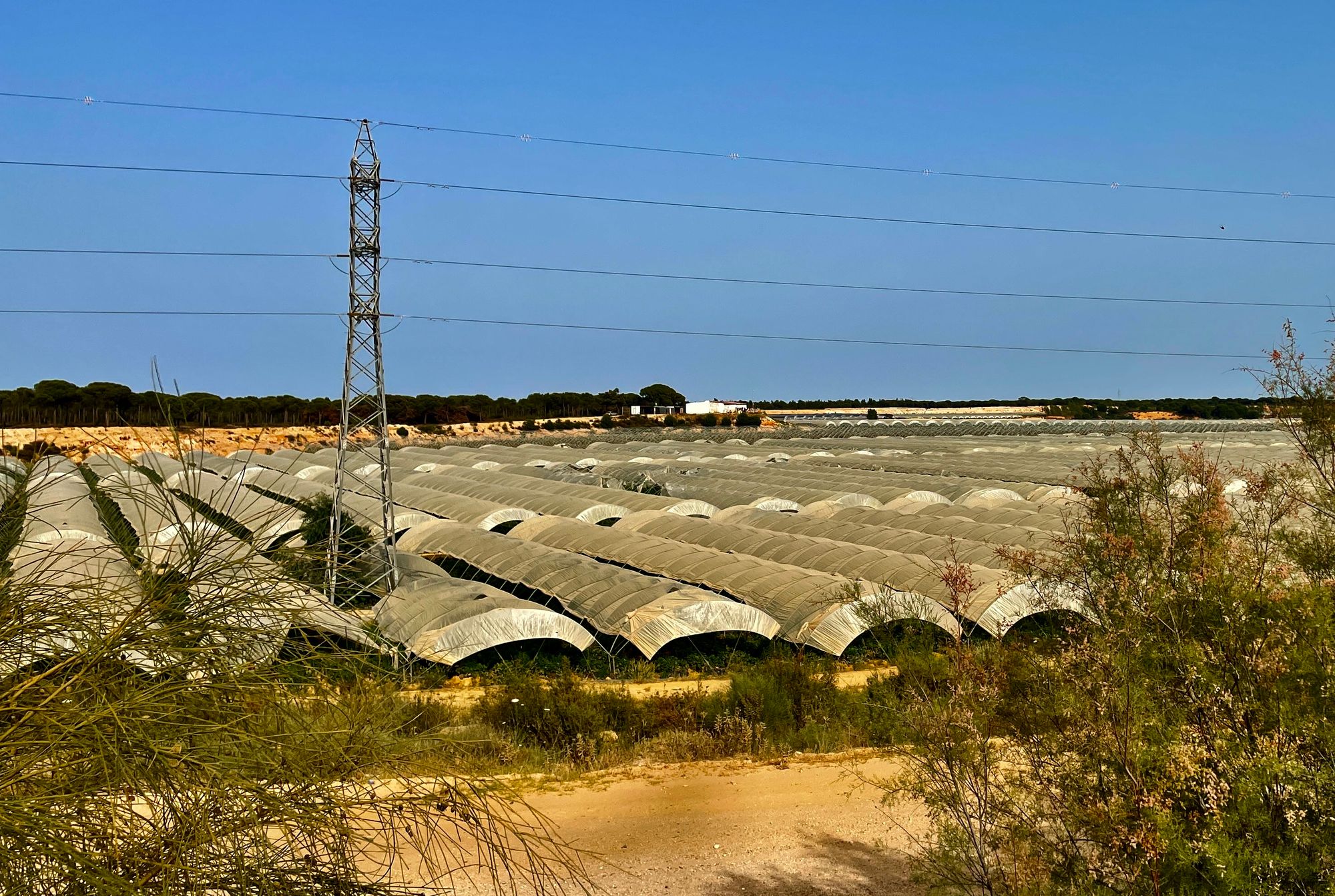
Agricultural Community in Southern Spain
Samba was a fisherman. Every week some boats left for the Canary Islands. He was made an offer that he could make the trip for free if he were willing to pilot the boat. Traveling a thousand miles would only take a week, but he knew the water. While that may sound difficult for most, Senegalese fishermen often spend two weeks out, returning only when they have a full boat of fish. It was certainly possible, and if he could get there, like Moussa, he knew he would be flown directly to Spain.
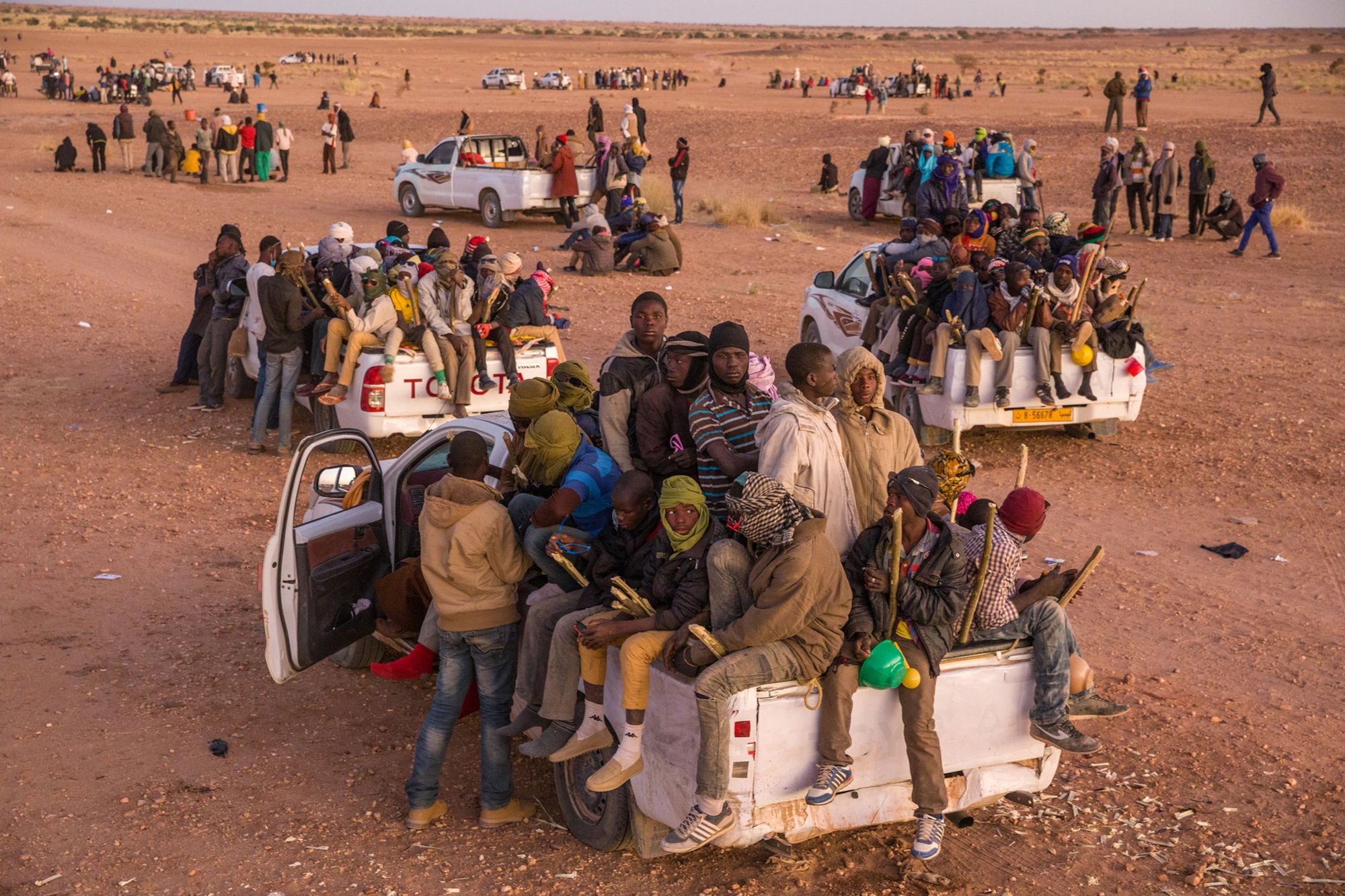
Migrants Prepare to Cross the Sahara Desert. Courtesy Time
Oumar and Adama came from families that did not have a lot of money. A neighbor told them they could catch a bus to Mali and then to Niger. From there, they could take a truck across the desert into Libya before boarding a boat to Italy. Once in Italy, they could apply for asylum, and the government would pay them to work. The total cost was expensive ($800), but after selling all they had and borrowing some money, they were ready to go. Little did they know that they would get separated along the way. Adama would have to cross the Mediterranean towards the island of Lampedusa before moving on to Italy. Oumar would have to cross Algeria into Morocco. At that point, he would either try to climb the fences into the Spanish enclaves of Ceuta or pay a smuggler to put him in a boat to cross the Straits of Gibraltar into Spain.
Fatou was a hairdresser, but could barely make enough money to care for her aging parents. She was always looking for a better job. One day, she ran across an advertisement for a job in Italy. The travel industry was thriving there, and a prominent hotel chain needed hairdressers to meet the growing demand from wealthy African tourists. When she called the number, a woman gave her a brief interview and told her where to send her application. Within a few days, she had been accepted. It seemed almost too good to be true. By the end of the week, her broker had paid the full fare to fly her to Niamey in Niger. She was then put in a truck to go north to Agadez for the journey across the desert. After that, she would take a boat to Sicily.
Unfortunately, none of these six people understood the risks they were taking. They had heard the stories of others who had bad outcomes, but they did not imagine that they would become victims. On the front end, each of these individuals had been convinced that their chances of success were good. In reality, only one would likely arrive in Europe. The rest, if typical, would either die along the way or become trapped in a hopeless situation.
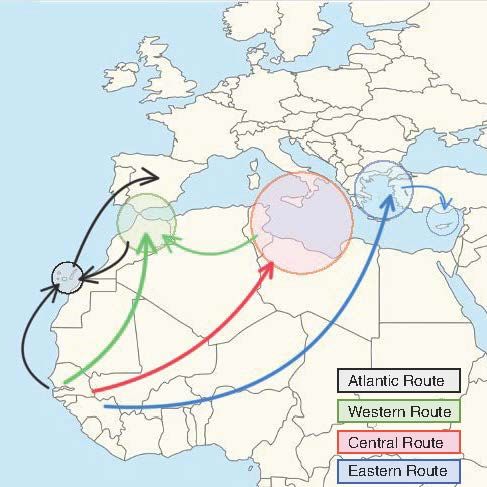
Every year, thousands of people follow the routes described above. In a technical sense, geographical direction defines migratory routes. Each route has a title. They are the Atlantic Route and the Western Mediterranean Route to Spain. There is the Central Mediterranean Route to Italy and the Eastern Mediterranean Route to Turkey, Cyprus and Greece. We will break these routes down in the days ahead to better understand how and why they are different. Our next series of posts will focus on the Central Route.
As in most any project, there are times when it is necessary to pause for a reminder of why the effort is necessary. Migration is about movement. Everyone comes from somewhere, and they are trying to go somewhere else for a reason. Often, that reason is nothing more than a perception. It is a perception that if they could somehow escape where they are, that they could find a better life and perhaps a bit of peace. The perception among sub-Saharans is that such peace can be found in Europe. The challenge is that I have yet to meet a single migrant... anywhere... who found the peace that they were looking for. What those who follow the above routes find is generally more suffering.
The search for life and peace is not new. Over 2,000 years ago, Jesus described the pathways we are seeing today.
“Enter through the narrow gate; for the gate is wide and the way is broad that leads to destruction, and there are many who enter through it. For the gate is small and the way is narrow that leads to life, and there are few who find it." Matthew 7:13-14
All along these broad migratory pathways one can find local churches, many led by sub-Saharan pastors. Their passion is to share the gospel of Jesus Christ, a message of hope and peace. They are standing by the narrow gate, ministering to a suffering world, while inviting them to make different choices. The good news is that many are coming to faith.
Our goal is to give these pastors the resources they so desperately need. More than anything, they need your prayers. And this I know – a well informed group of believers can move mountains when they pray. And so... we spend our time with these pastors, standing with them at the gate, whispering in their ears that they are not alone.